Forty years with a wound no one was meant to see
For more than forty years Ayor has carried an invisible wound – caused in childbirth, hidden out of shame. For a long time help seemed out of reach. A flight with MAF now gives her the chance of life-changing surgery.
Recovery after the operation is slow and painful. I am aware of that as I approach Ayor’s bed in the hospital in Juba. My interpreter Garang asks her whether she is ready to share her story. Ayor quietly answers yes.
Her white hair shows that she left childbearing age far behind long ago. But her eyes tell a story that hardly anyone knows.
“The fistula came after the birth of my fourth child, more than forty years ago,” says Ayor. “Since then I have suffered from this condition. My last baby died, and after that I could not become pregnant again. One of my other children died too.”
Ayor comes from a village near Yirol in South Sudan. Like many women in her country, she gave birth to her children without the help of a midwife or a doctor. And this time that led to a serious injury: an obstetric fistula.
This injury leaves an opening between the birth canal and the bladder or bowel, which causes uncontrollable leaking of urine or faeces.
More than physical suffering
For women like Ayor this injury means far more than physical pain. It brings shame, exclusion and stigma. In their culture such problems are not spoken about. Instead, women hide their struggle and their pain. Ayor’s quiet dignity and her willingness to share her story move me all the more.
“I had an operation once before. They took me to Lokichoggio, but the procedure was not successful and I did not get better,” she says.
Despite that disappointment, Ayor decided to try again after a relative in her village told her about fistula operations in Juba.
“I went to Yirol, and a MAF aircraft picked me up. I felt sick in the aeroplane, but I was very glad when we landed in Juba,” she says with a smile.
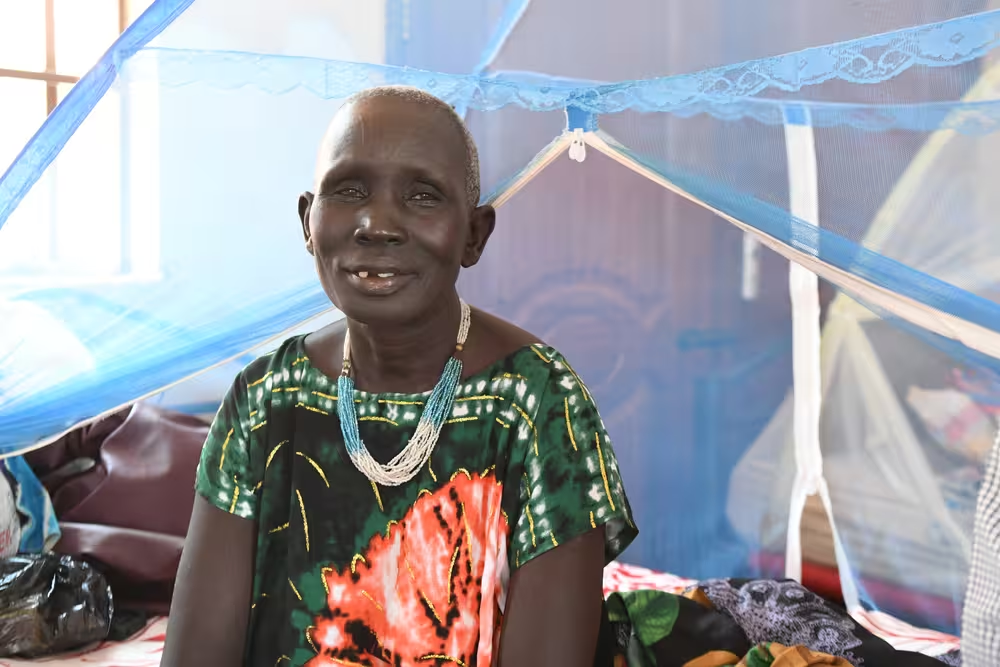
Help for body and soul
At the Reconciliation Hospital in Juba, the Evangelical Lutheran Mission offers fistula surgery three times a year. Training rooms are converted into wards to accommodate more than forty women who travel in from all over the country.
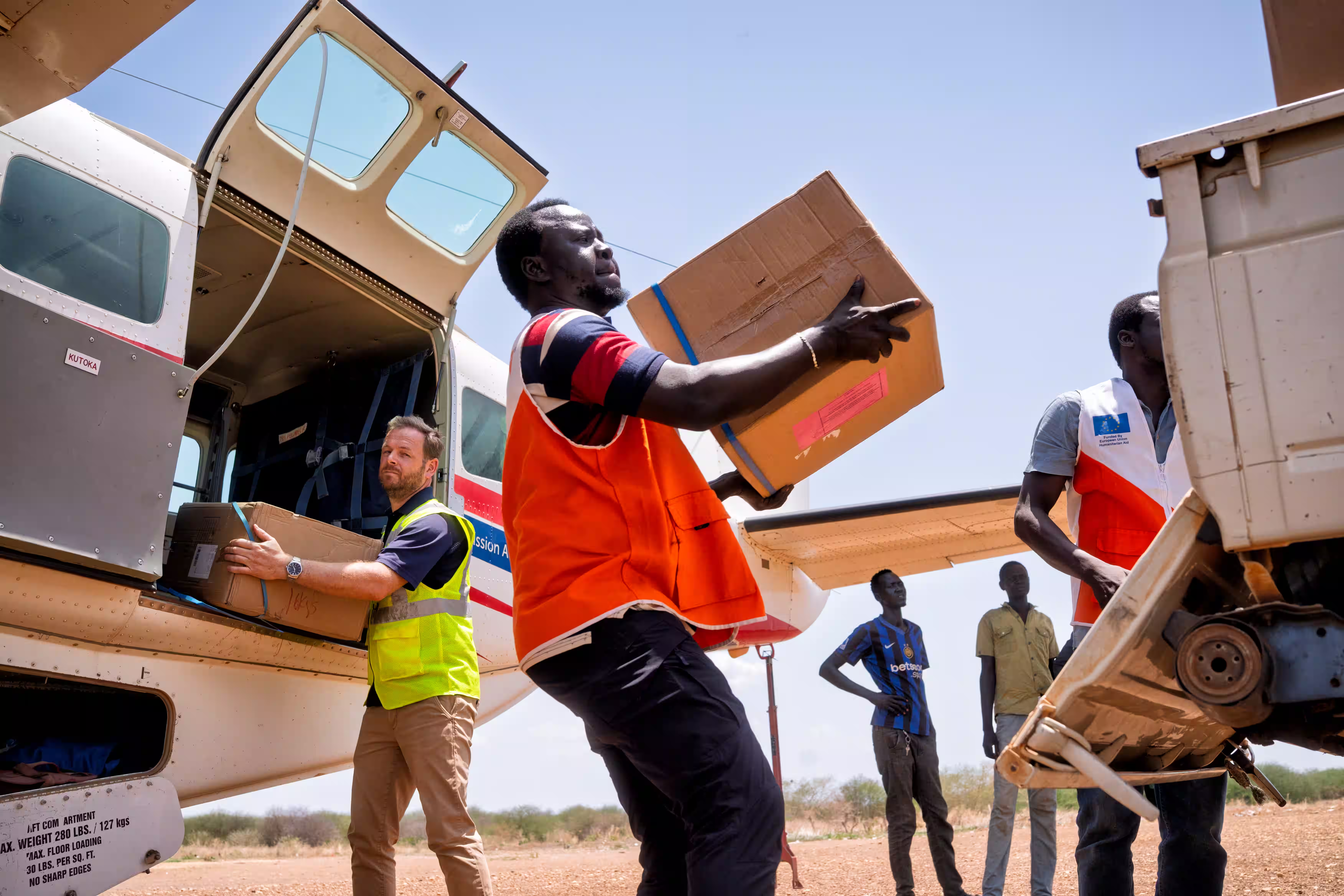
Most of them are flown in by MAF. Recently there were ten such flights alone. For many, the journey on foot or by car would be barely manageable and would take days.
Specialist surgeon Dr Andrew can operate on even the most complicated fistulas, including cases where earlier procedures have failed. Chaplains and carers also look after the women, offering conversation and spiritual support. Many of them have experienced rejection because of their condition.
Ayor is grateful for all this care.
“I had the operation, and afterwards the doctors came every morning to check on me. I am happy about the help of the people here. I go to the prayers. They share things with us that bring us joy.”
Home with dignity
After decades of suffering, Ayor longs to return home well. “I am glad to be in Juba for the operation. But I will be even happier when I go back to my village! I am looking forward to being healed of this problem. They have made my life better.”
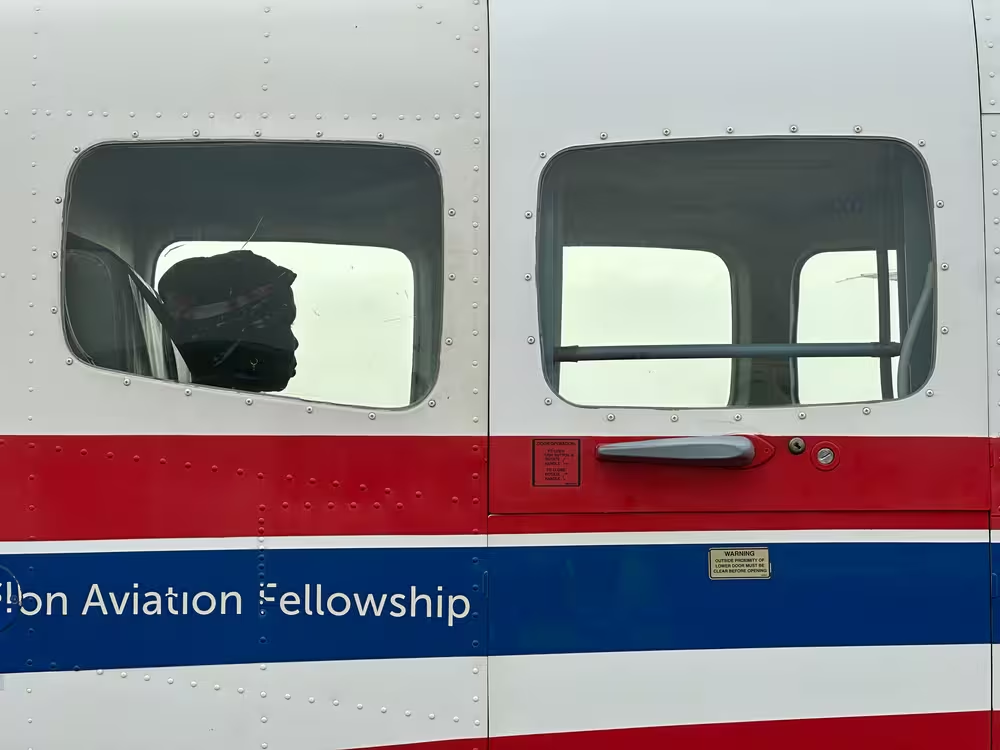
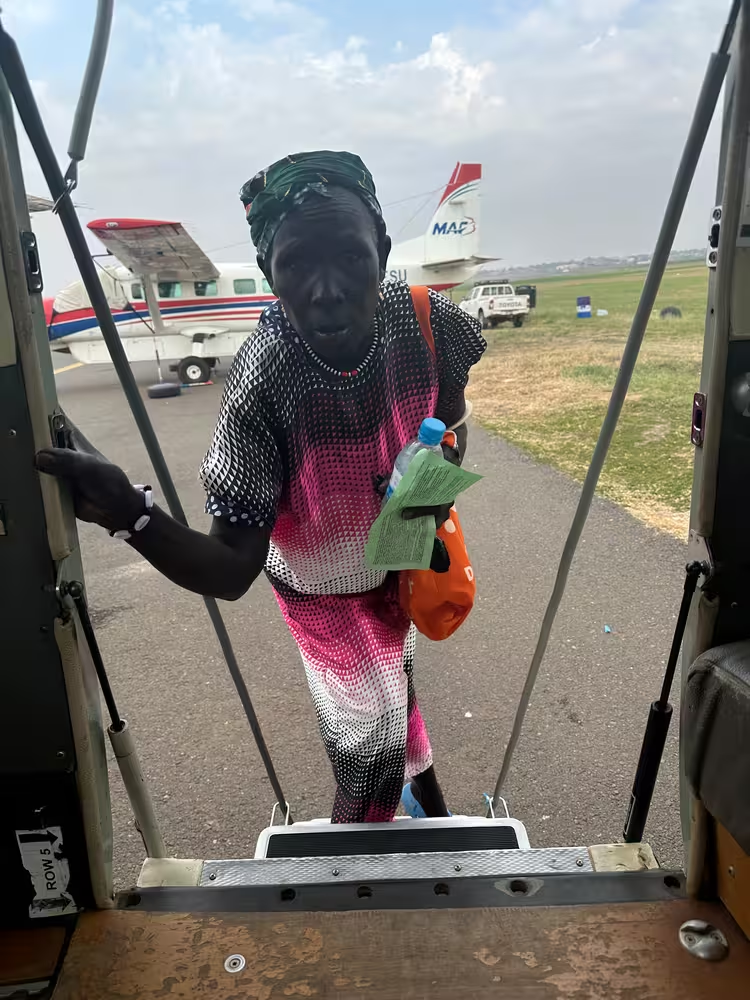
A week later, slowly and with determination, Ayor boards the MAF aircraft back to Yirol. Still healing, probably still in pain, she climbs the steps carefully, one at a time.
Then, with the dignity of an “abuba” – a grandmother – she takes her place in “business class”: the seat with more legroom at the back of the aircraft.
She is quiet. And ready to go home.