Where cocoa, vanilla, coffee and peanuts save lives
In remote communities poverty is usually especially high – isolation blocks access to resources. In the Karimui district of Papua New Guinea, MAF’s flights open up access to markets. Now local people are shaping their own future.
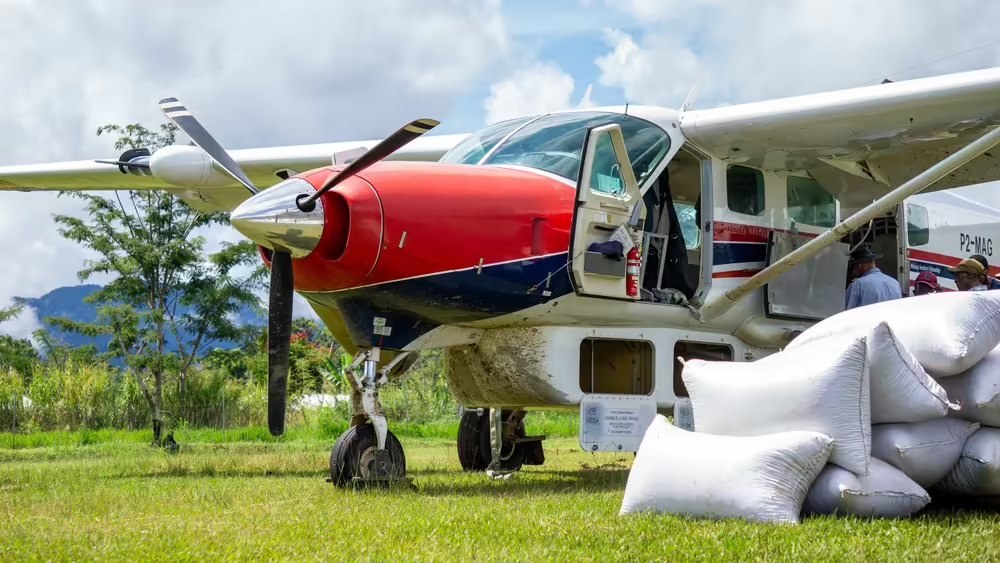
Chocolate, coffee, vanilla ice cream and peanut butter – what a delicious selection! In our modern Western society, forever in search of endorphins and caffeine, they are part of everyday life. In Papua New Guinea I met people for whom cocoa pods, coffee beans, vanilla pods and peanuts mean far more – they mean life. They are important trade goods and their only source of income. Thanks to them, people can afford clothes, soap and an education for their children.
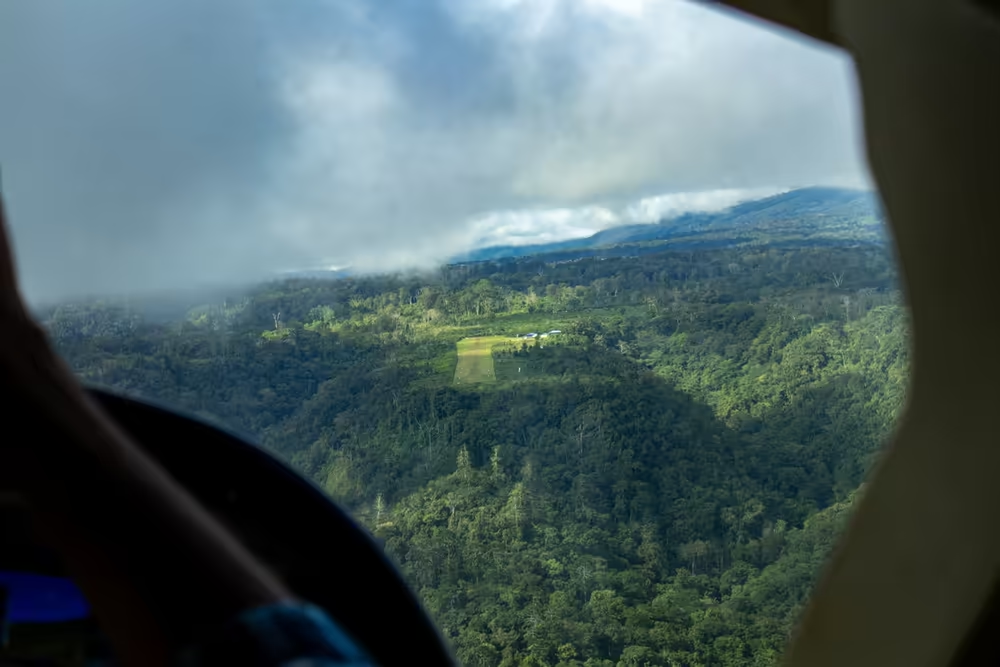
My colleague Aquila Matit and I travelled to the Karimui district in Simbu province – a MAF flight from Goroka took less than half an hour. Mountain range after mountain range slipped by beneath us, covered first in yellow-green grass and then, the further south we flew, in dense emerald rainforest. After landing in Sorita the sun was blazing, and we looked for shade among the cocoa trees to talk with local people.
Norman Mondo, cocoa farmer
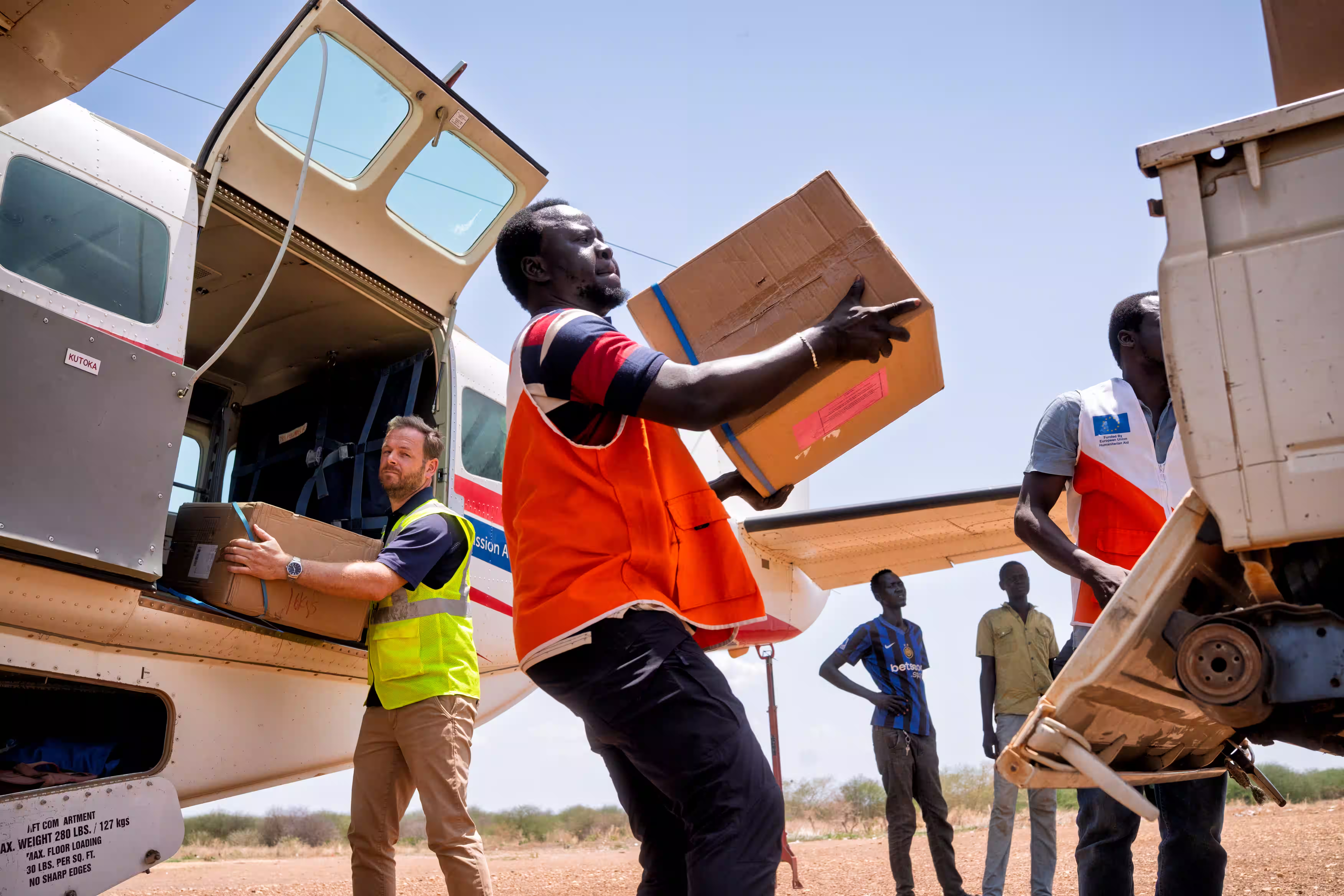
Norman Mondo is one of the leading cocoa farmers in Papua New Guinea and a father of eight. Like all farmers in the region, Norman depends on aircraft to get his harvest to market. “Karimui has no road connection, the aeroplane is the only link,” he said. “You have to walk for two days on bush tracks to reach the nearest road to Goroka. It is too far to carry heavy sacks of dried cocoa beans.”

Misis Siwi, works on Norman’s cocoa plantation
Growing and processing these crops, above all cocoa and coffee, takes a great deal of manual work – which means many people are involved and earn from it, not just the plantation owners. Misis Siwi is one of them: “I see God’s hand in my life,” she said. “I may only collect a small amount, but when I weigh it, there is more – and I earn more. With what I earn I buy oil, salt and soap. The rest I save for my children’s school clothes and other needs.”
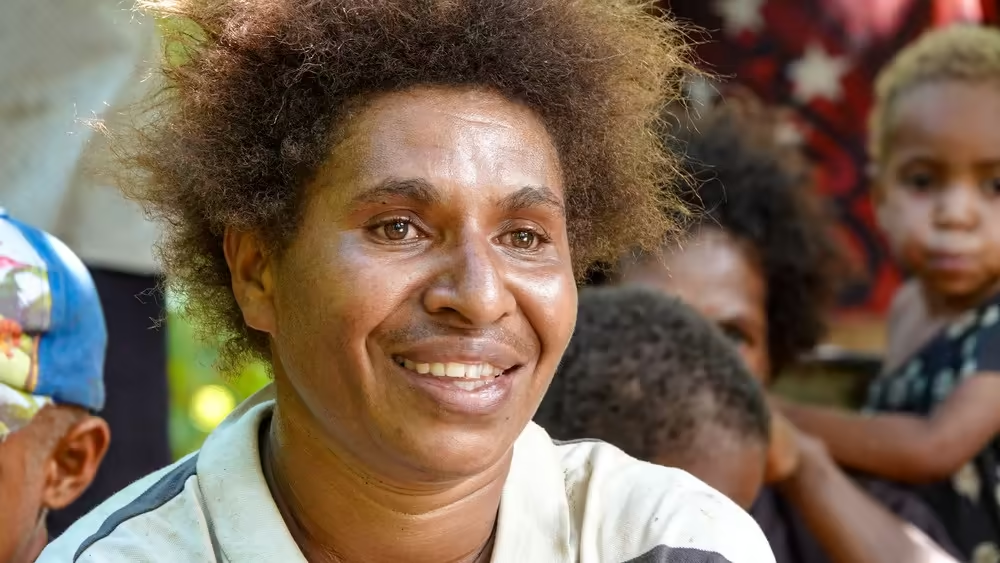
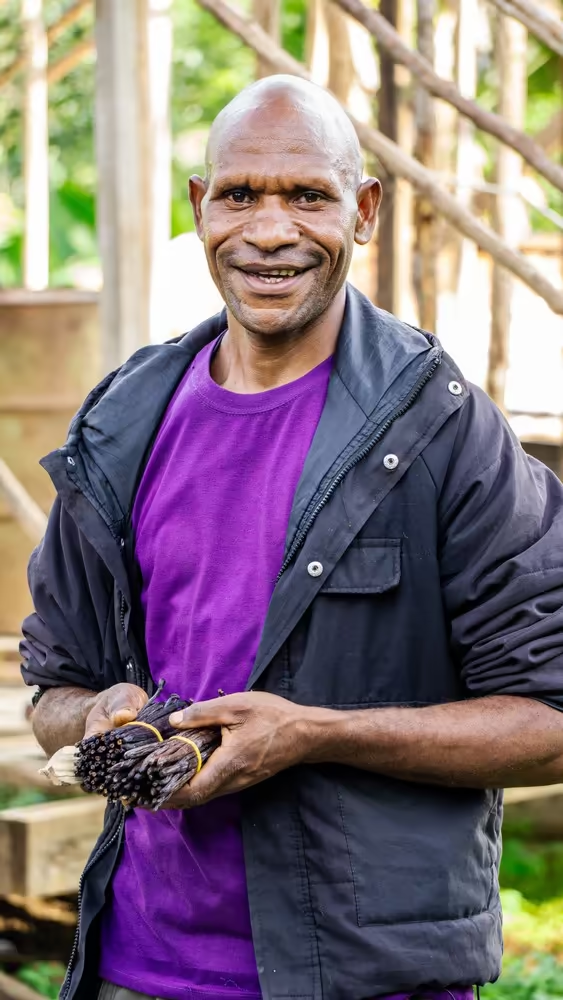
Mopa Paleah, vanilla farmer
Alongside cocoa, high-quality vanilla also thrives in the region’s fertile volcanic soil. Mopa Paleah is a vanilla farmer and at the same time acts as a middleman for many other producers – he represents thousands of pods. He collects the vanilla, sells it in town and brings the money back to his fellow farmers. This income helps with things that are taken for granted in many parts of the world. “With some of the money I pay my children’s school fees. Some of it I put aside. If an emergency comes up or someone needs help, I take from that money so they can buy what they need.”
Cocoa, coffee, vanilla and peanuts may be everyday consumer goods for many of us in the West. But for people in remote Papua New Guinea they mean education, hygiene and clothing for their families. And without MAF helping to bring these products to market, they would be nothing more than crops in a field – rather than a livelihood and a future at once.