“You can literally see them blossom”
When women with a childbirth injury step off the aeroplane in Juba, they carry years of pain and shame with them. At MAF’s booking office, Akoot Dhieu sees those same women return transformed after treatment.
Years of shame and silence When the women step off the MAF aircraft after landing in Juba, they are usually not only exhausted from the journey. Life itself has worn them down. “Until their problem is solved, they hardly want any contact with people. They already carry the stigma inside them. If you ask them something, they can barely answer, because the shame runs so deep,” says Akoot.

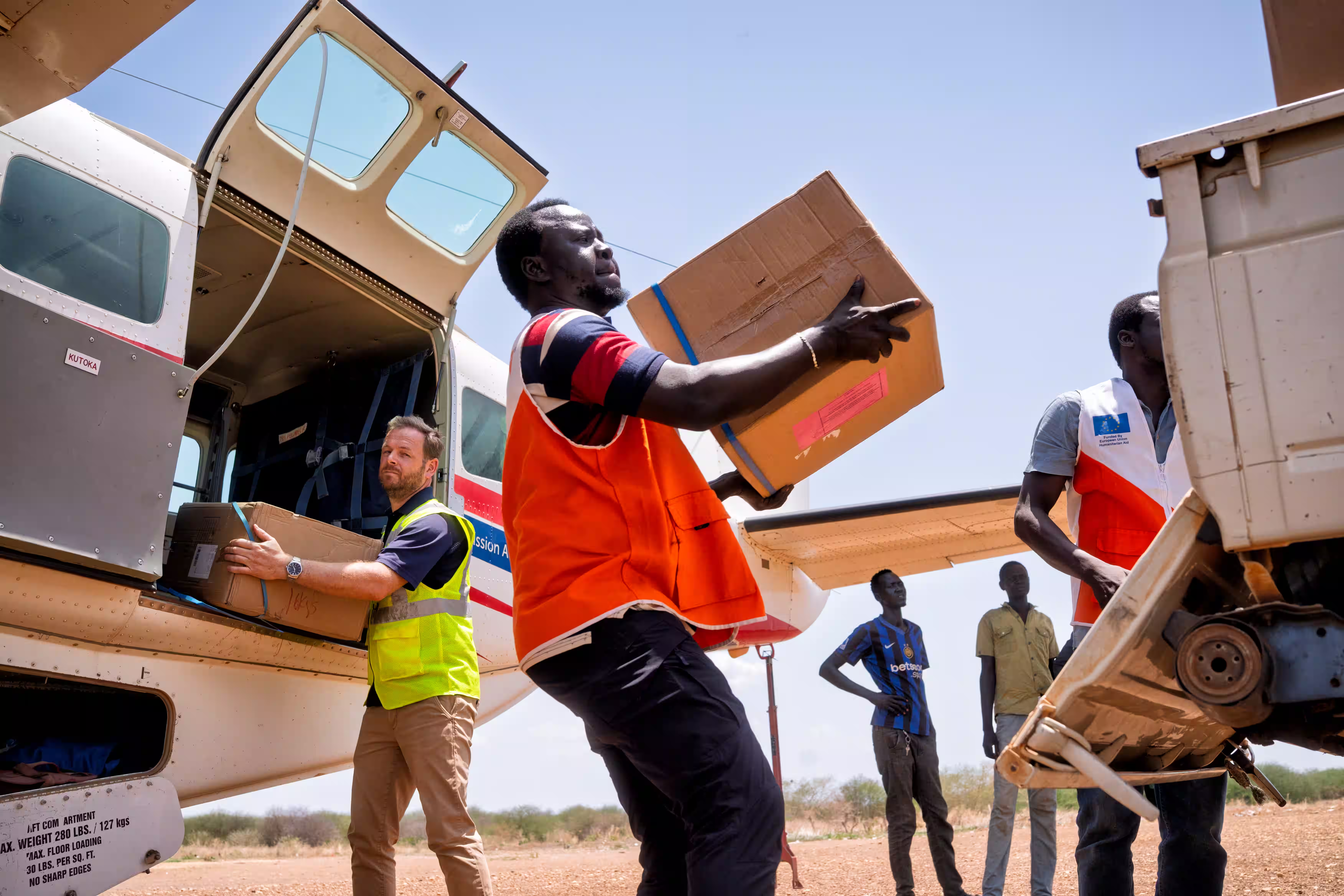
Akoot Dhieu works in MAF’s booking office in Juba, South Sudan. From her desk she sees women flown in from remote parts of the country to receive life-changing surgery. In a country where almost 80 per cent of the population lives in rural areas, Akoot knows the challenges surrounding pregnancy and childbirth. “In the villages, a lot can go wrong during a birth. If women cannot get to hospital, the situation can become very difficult,” she says. It was only through her work with MAF that she realised how great the suffering of many of them is. “To be quite honest: I first heard about fistulas when I learned about the patients MAF supports. I am a trained social worker – and even I did not know what these women really go through.”
Standing tall, back to life
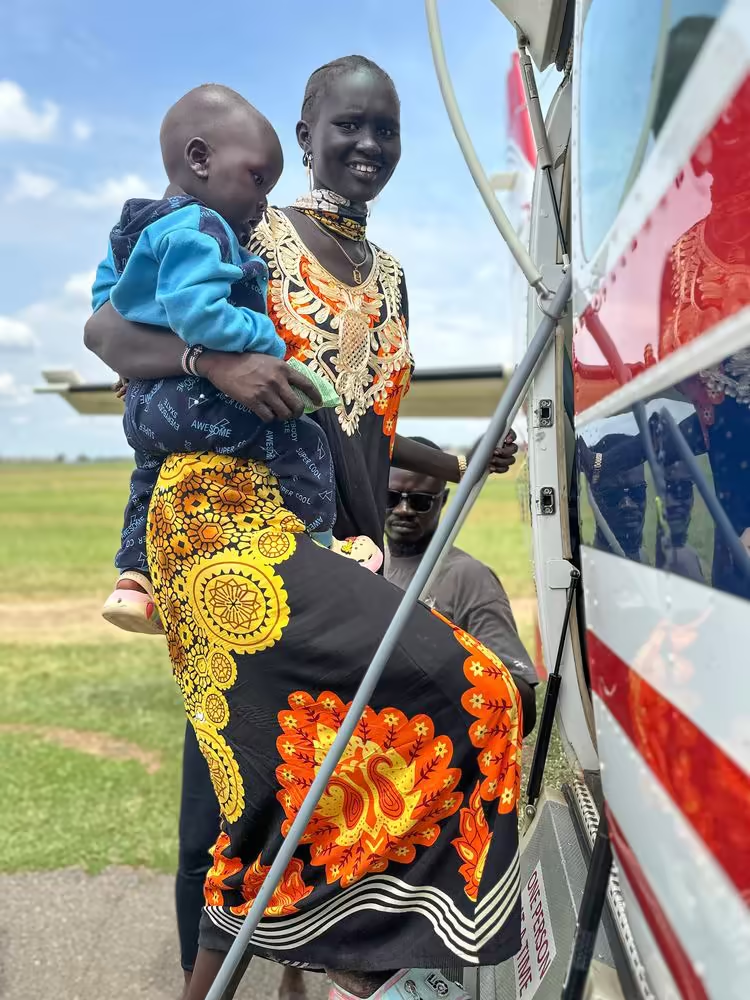
She has seen the change with her own eyes: “After the treatment you notice straight away how pleased they are to see you. They are happy and have a big smile on their faces. They are no longer shy. You can literally see them blossom – in their faces and in their skin. The difference is so great that you can hardly believe they are the same women who arrived completely exhausted.”
When the women are ready to travel home, everything seems changed. Freed from the symptoms and the stigma of a humiliating condition, they are no longer patients but travellers on their way back into their lives – with new confidence and new joy. “These fistula flights are something special,” says Akoot. “It is valuable work that MAF supports. I am very proud to be part of it.”

Facts about obstetric fistula
Obstetric fistula is a serious childbirth injury that can occur after prolonged and complicated labour without skilled medical care. It often causes chronic leaking of urine or faeces. Worldwide, an estimated 500,000 women live with a fistula – most of them in developing countries. In South Sudan the figure is estimated at 60,000 women.