Light for a Forgotten Paradise
The Carteret Islands look like paradise, yet behind the white beaches lies a hard truth: no coastguard, no phone signal, no ambulance. MAF changed that – bringing radio and solar power to the remote atoll, and with them the ability to call for help.
Karlos Sarunic, IT manager at MAF, knows a thing or two about being ‘outbush’. For him and his wife Caitlin, a good weekend means getting in thefour-wheel drive and going far beyond mobile phone coverage, sleeping in atent, sitting by the campfire and looking at the stars. He is also no strangerto epic sea journeys, having accompanied Caitlin to the Coral Sea, Australia,where she worked as a dive instructor and marine researcher. But Karlos hadnever been anywhere quite as remote as the Carteret Islands. He had never feltso cut off from the outside world.
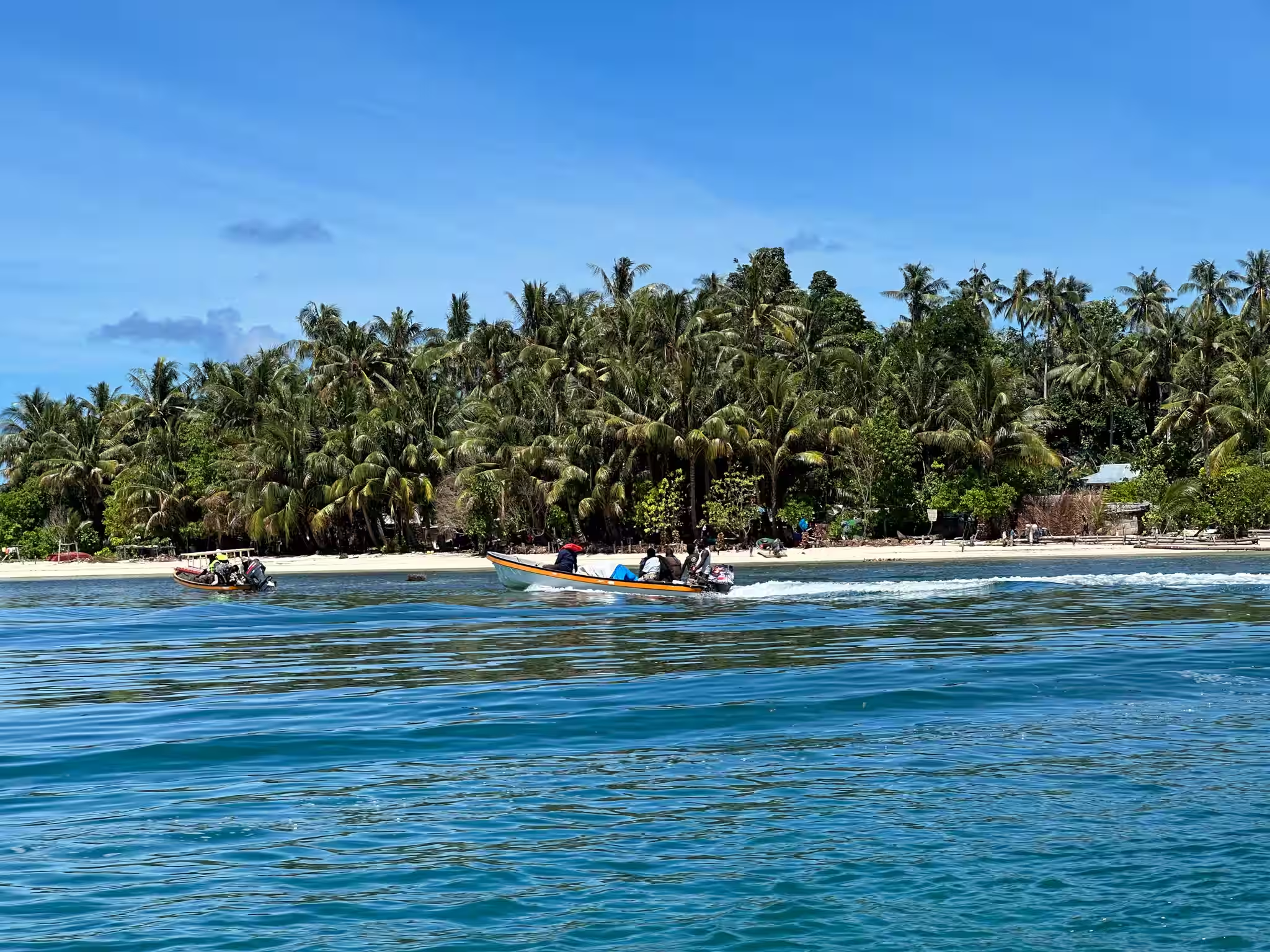
Paradise in darkness
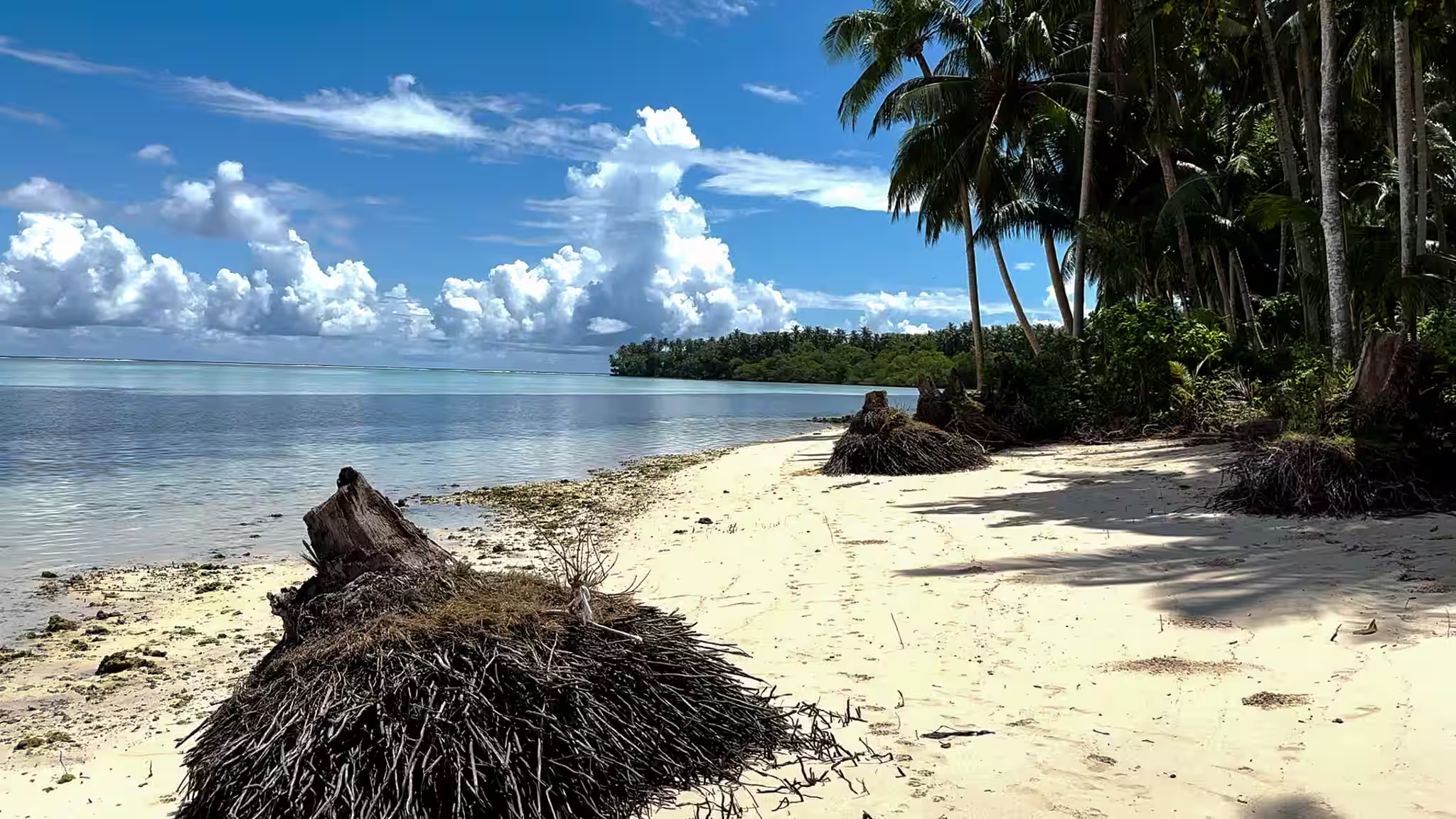
The Carteret Islands look like paradise. White beaches. Palm trees. A lagoon so blue it almost seems unreal. But behind that beauty lies a hard truth. This tiny atoll, about 100 kilometres from Bougainville, is cut off from almost everything. There’s no coastguard. No mobile phone signal. No ambulance. The only way to reach the islands is by small open boat, across four hours of open sea. But when something happens… Help is far away. “Boats go missing all the time. Normally, if something goes wrong whilst you’re camping, you just drive off,” Karlos says. “But the people on Carteret Islands had no help.”
No way to call
At the small health centre, Head Nurse Bernice Kumis, knows that realityall too well. For years, she and her team cared for more than 2,000 peoplewithout reliable communication. If a patient became seriously ill, Bernicecould not simply call a doctor or ask for advice. If a patient needed to be evacuatedto the hospital on the main island, she could not call a boat for an emergencyevacuation. In moments like these, the Carteret Islands do not feel likeparadise. They feel like a dark, lonely place, completely cut off from any help.
Big change
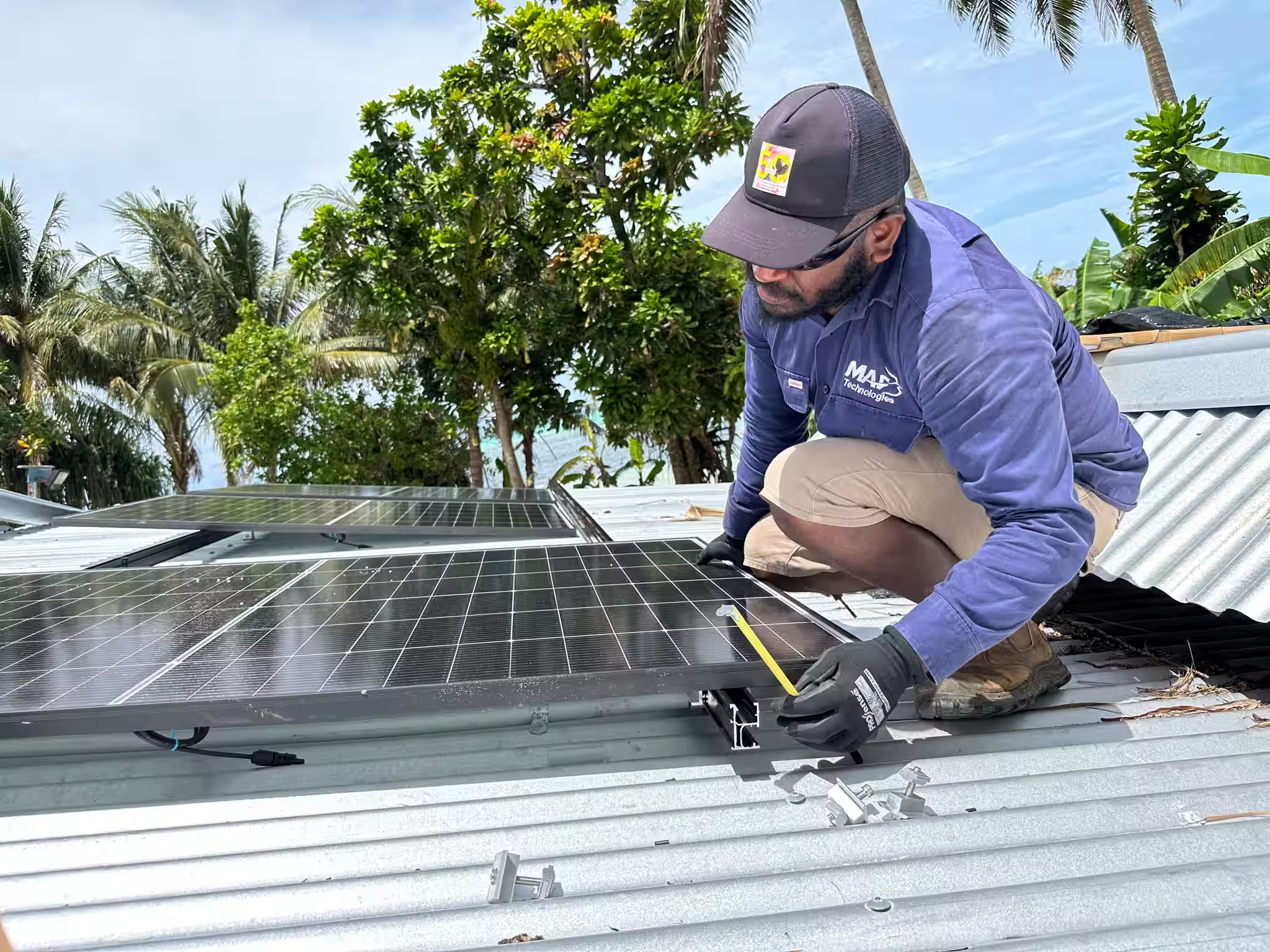
“This is a big change!” says nurse Ann Sari. That change came when MAF Technologies installed a high-frequency radio system at the clinic. For the first time, the team can now contact medical staff in Buka, on the main island. They can ask questions, get a second opinion, order supplies and call for help. After years of silence, their voices can finally travel across the sea.
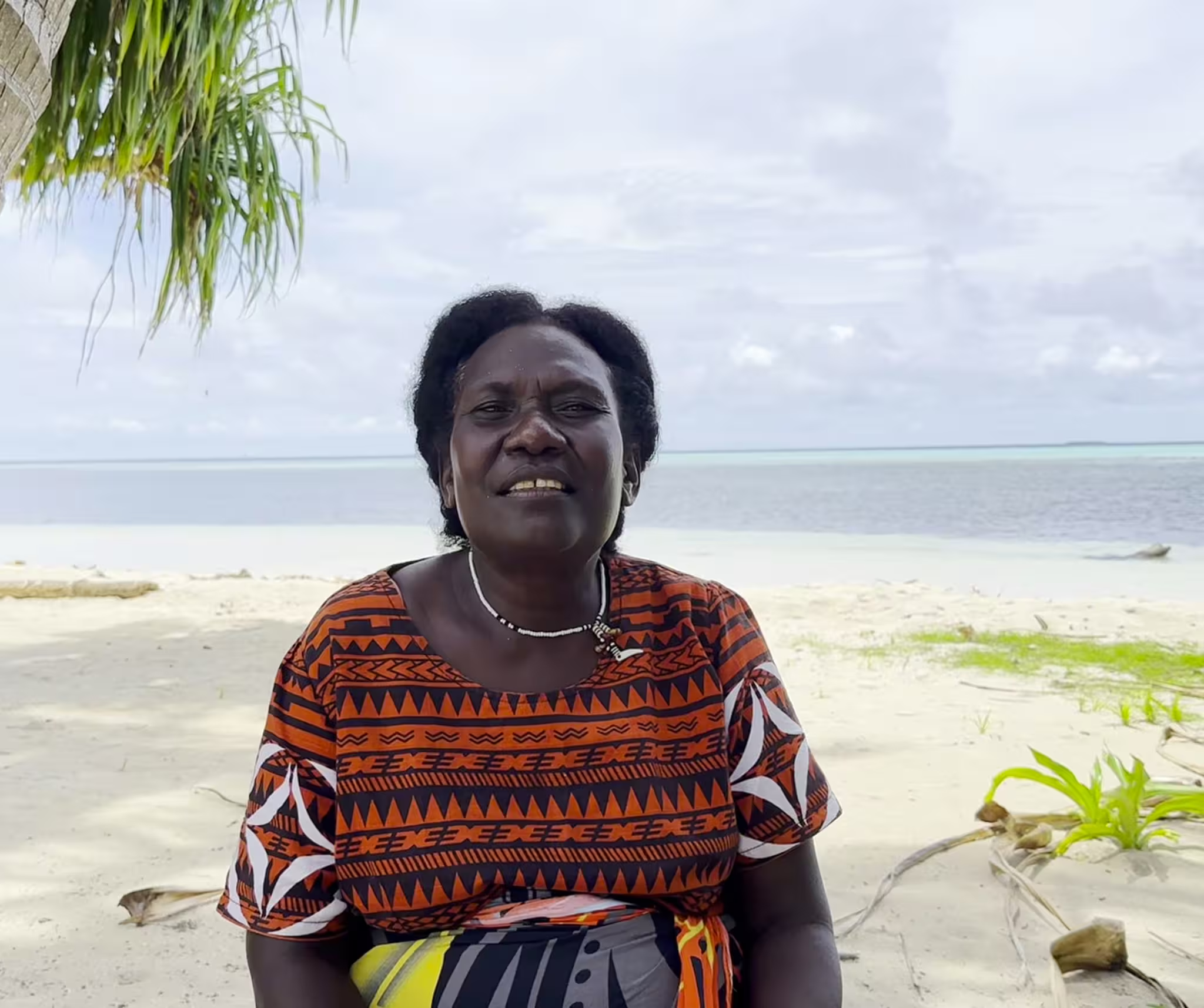
“I’ve been using the torch for the mothers when they are in labour and give birth”
Light for Safe Childbirth
MAF brought more than a radio. The team also installed solar power and bright electric lighting throughout the clinic. For the villagers, the first evening was unforgettable. As the lights came on, people gathered outside in amazement. “Now we can see the city lights around the hospital,” Louisa Kumis, one of the Carteret islanders said. “What we normally see in town, we now have on the island!”
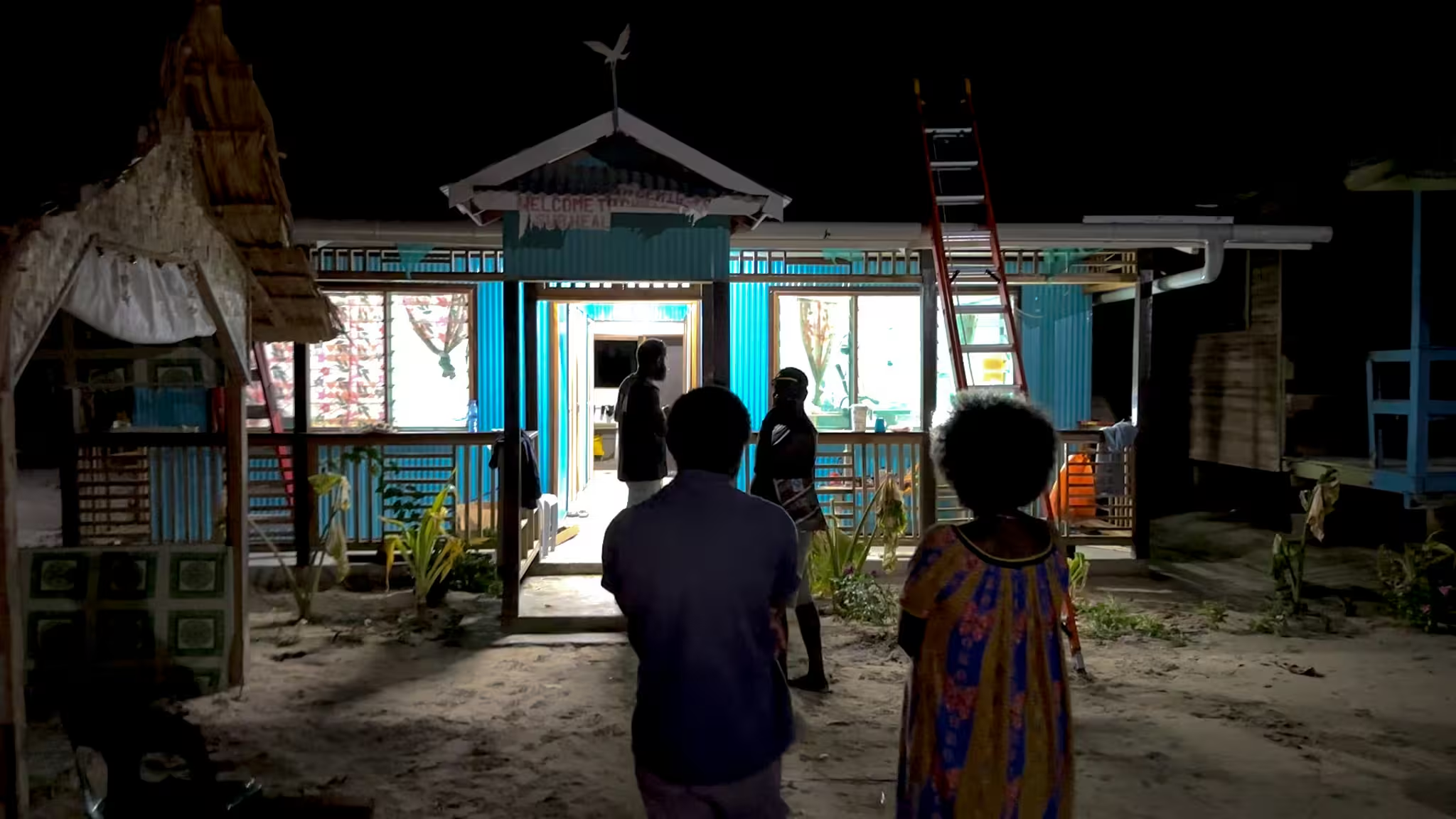
For Bernice, these lights mean more than comfort. They mean safer care. “For two years, I’ve been using the torch for the mothers when they are in labour and give birth,” she says. “For me, it’s something that I really feel embarrassed about, because when you use only the torch, you can pick a wrong thing in the dark.” Now the maternity ward has proper lighting. The clinic can use basic medical equipment. A steriliser can be plugged in. One day, even an oxygen concentrator may be possible. A dark room became a place of safe, life-giving work.
No longer forgotten
The Carteret Islands are still remote. The sea is still wide. The journey is still difficult. But something has changed. A nurse can call for help. A mother can give birth in the light. On an island that once felt forgotten, paradise cut off from help, light now shines.