Anniversary: eighty years young
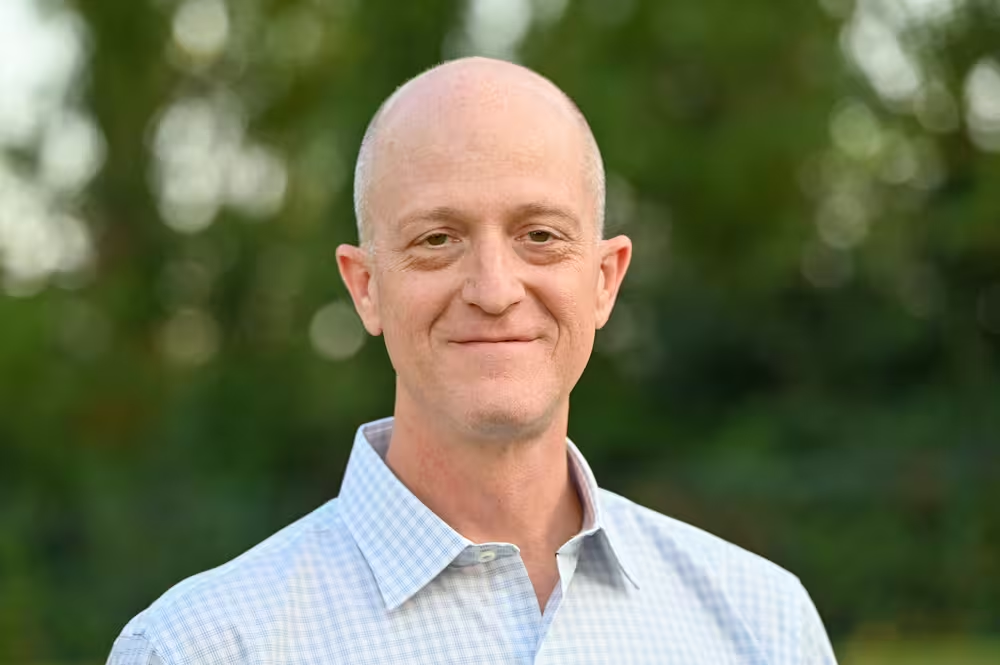
How does an 80-year-old organisation become more active, more relevant and more innovative? Norman Baker, Chief Transformation and Operating Officer at MAF International, is convinced: only by aiming high.
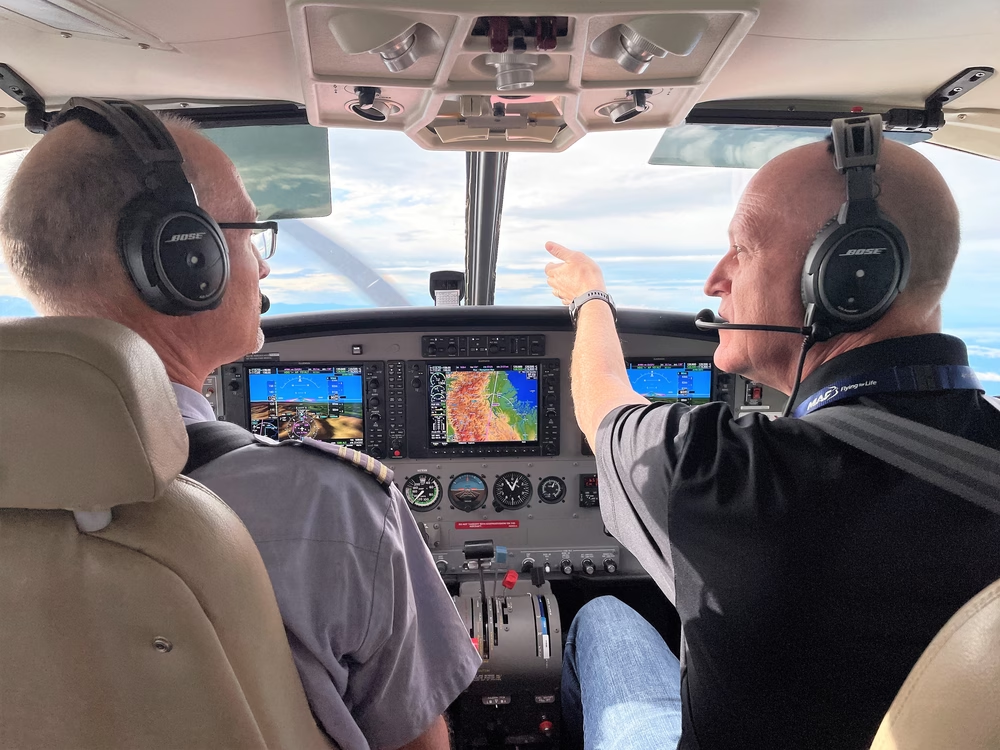
MAF was founded after the Second World War by pioneers. Using aeroplanes, they set out to relieve the hardship of people in remote regions and to bring them help, hope and healing. According to Norman Baker, the courageous journeys of those early MAF pioneers – such as Betty Greene’s flights to Mexico and South America, or Stuart King and Jack Hemmings’ journeys across Africa – still serve as a model today.
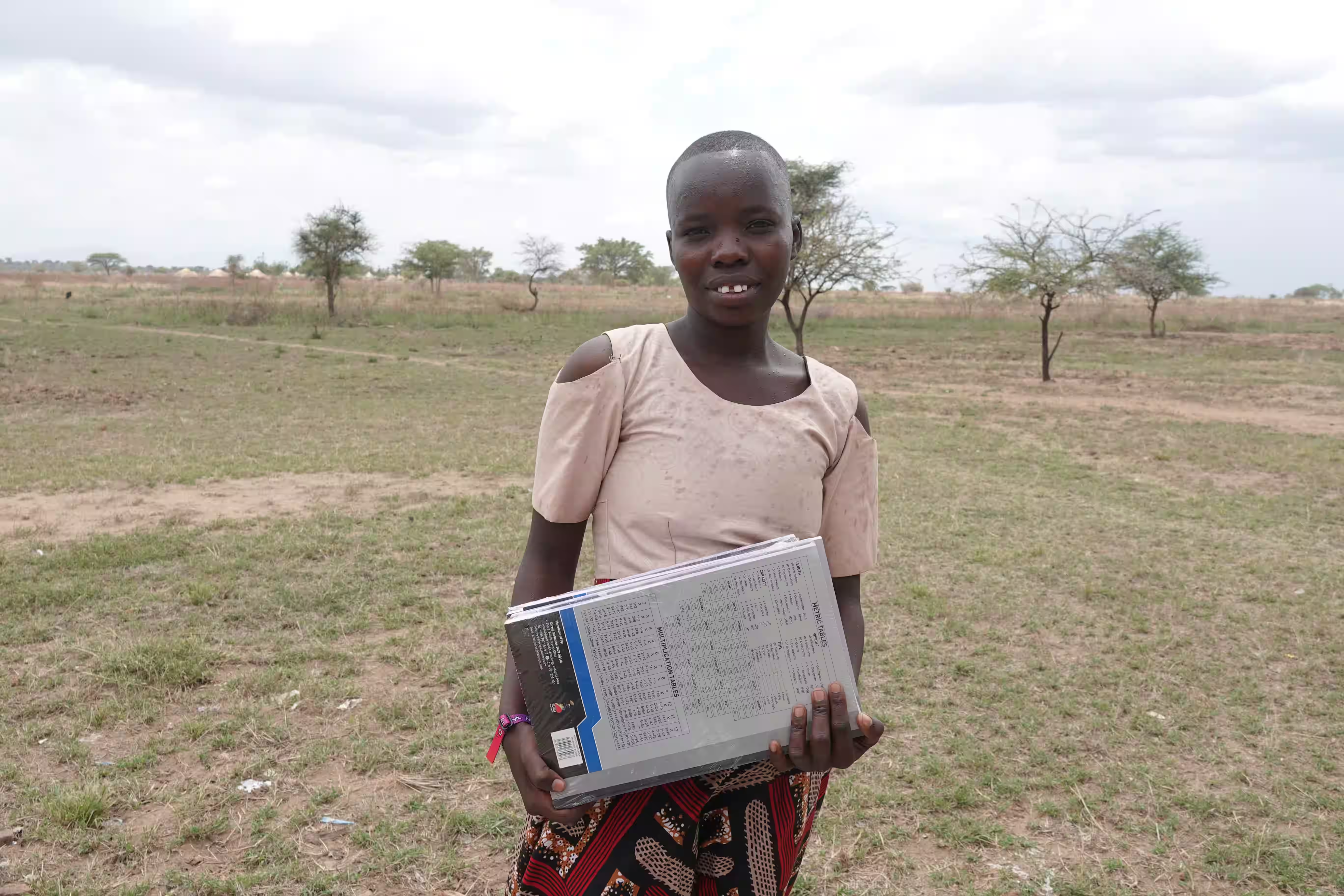
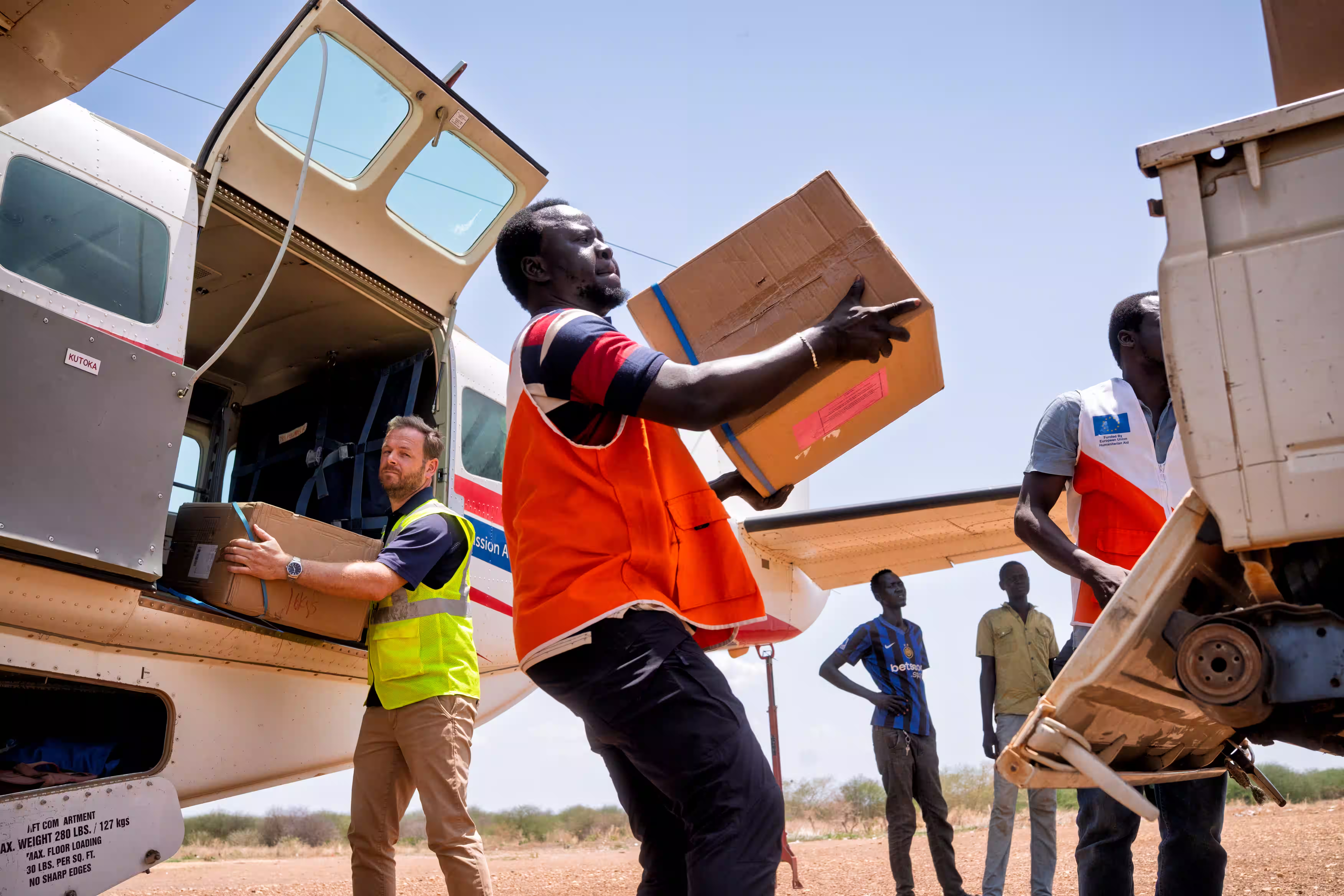
“Today we serve around 2,500 isolated communities. For the 80th anniversary we asked ourselves how MAF could become more effective.” Worldwide, an estimated one billion people suffer because they live far from adequate healthcare or education. “To meet that need, we want to double our impact by 2045 and reach twice as many communities.”
A new generation takes responsibility
“Looking back 80 years, the motivation of Christian compassion, the desire to improve people’s lives, is admirable,” he says. “That is still at our core. But our understanding of what communities really need has to keep developing.” MAF benefits from the fact that more and more of its staff come from the local context, live in it and understand it.
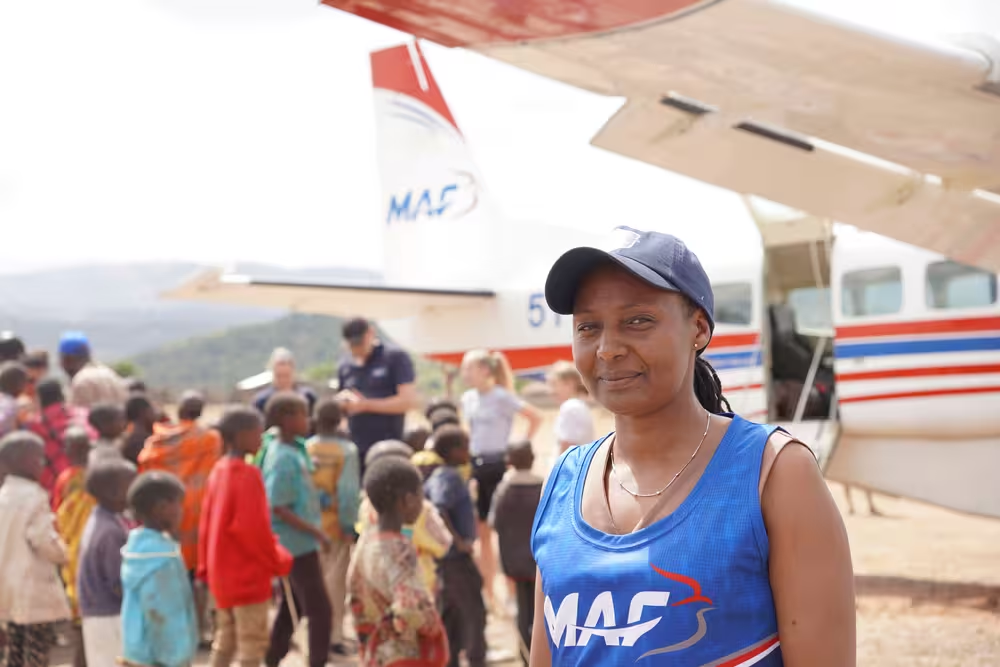
Susan Kigen-Kolum was an engineer in MAF’s Kenya programme. Now, as Country Director, she is steering the effort to recruit professionals from the East Africa region. “The enthusiasm is growing, and so is the shared sense that it is time for Africa to carry weight. For far too long, many Africans were the target of missions and missionaries. Now the moment has come for Africa to give something back,” she says.
“Africa has the youngest population in the world: 70% of people south of the Sahara are under 30. Africa is the fastest-growing continent. Its demographic, economic and cultural growth will undoubtedly influence the global system,” Susan adds.
Building air bridges – the vision lives on
Decades after those first MAF flights, it is encouraging to see the organisation growing. For MAF leaders like Norm and Susan, people are at the centre, but technology plays a part too.
Although aeroplanes are a lifeline for isolated communities, MAF also wants to invest in technologies that are better for our planet. The next generation at MAF could therefore include drones (unmanned aerial vehicles), fuel-efficient engineering and a sophisticated simulator that significantly reduces the hours spent in the air during training.
“We are evaluating emerging new technologies. We watch for the moment when they develop into viable products that, in our judgement, we could deploy,” says Norm.
Eighty years on, the vision of MAF’s founders is still clear: MAF flies where others do not. Your support enables MAF to go on building air bridges in the years ahead – and so to change and save lives.