One MAF flight: almost 1,000 patients treated by specialists
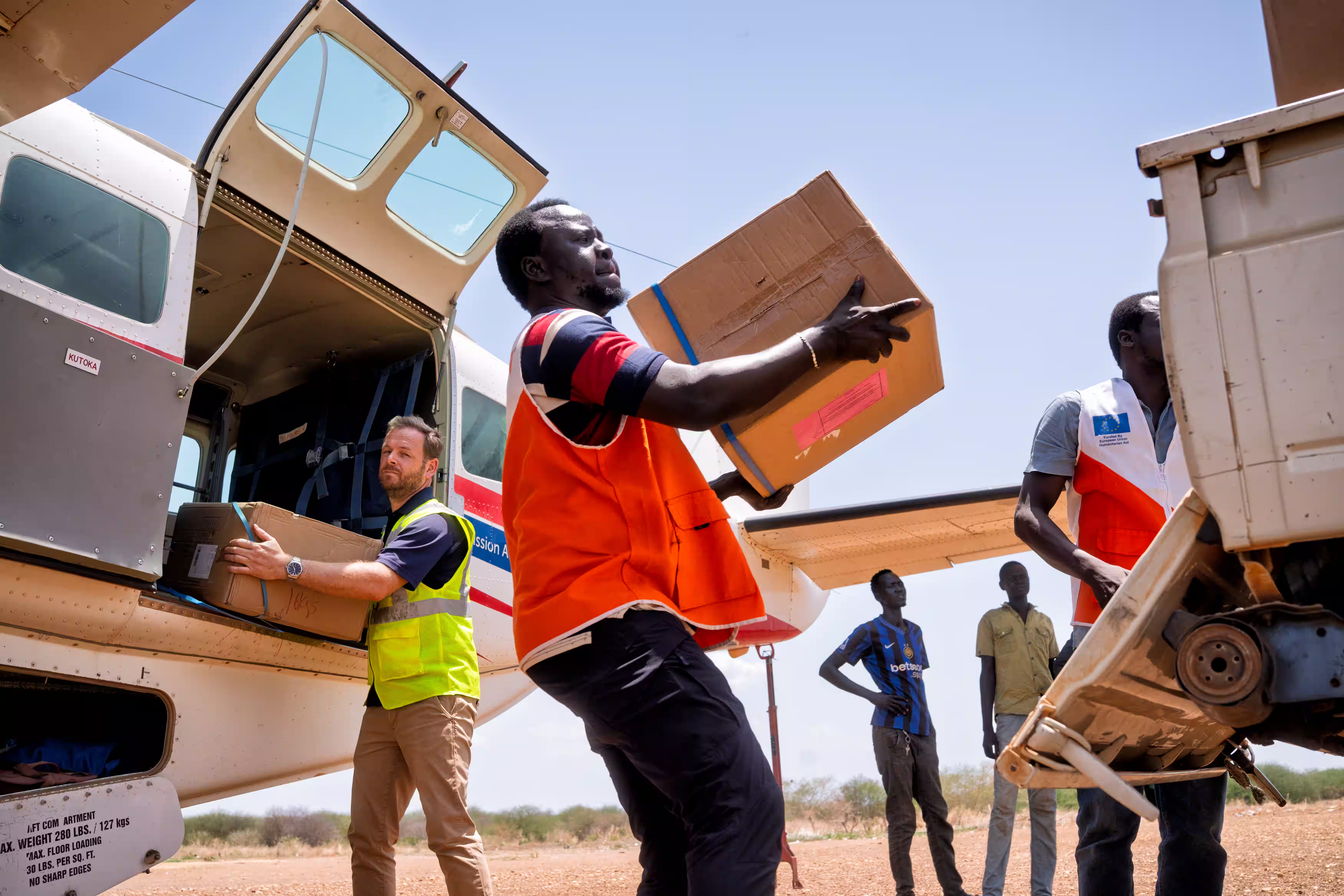
With medical rescue flights (medevacs) MAF saves lives – often the only hope in an acute emergency. This story shows it strikingly: one take-off, one landing – and almost a thousand people received medical care.
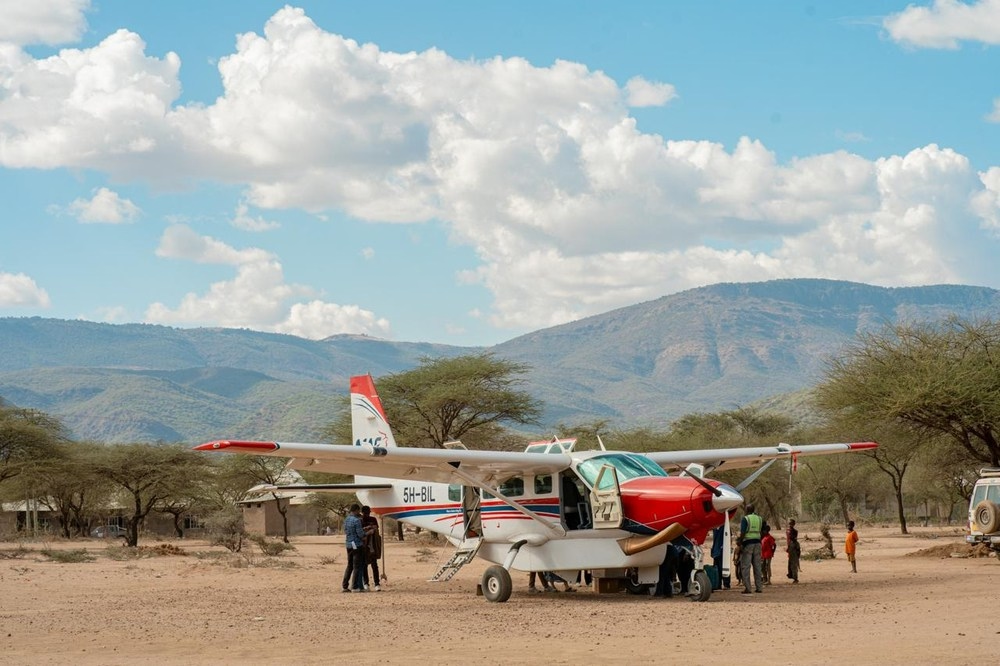
"The sheer number of people streaming in from across the region shows how great the need is among the population," said Becki Dillingham. She was the MAF pilot who flew the medical team of the Pamoja Specialised Polyclinic to Malambo, Tanzania, in just 35 minutes – a journey that would have taken eight hours by road.
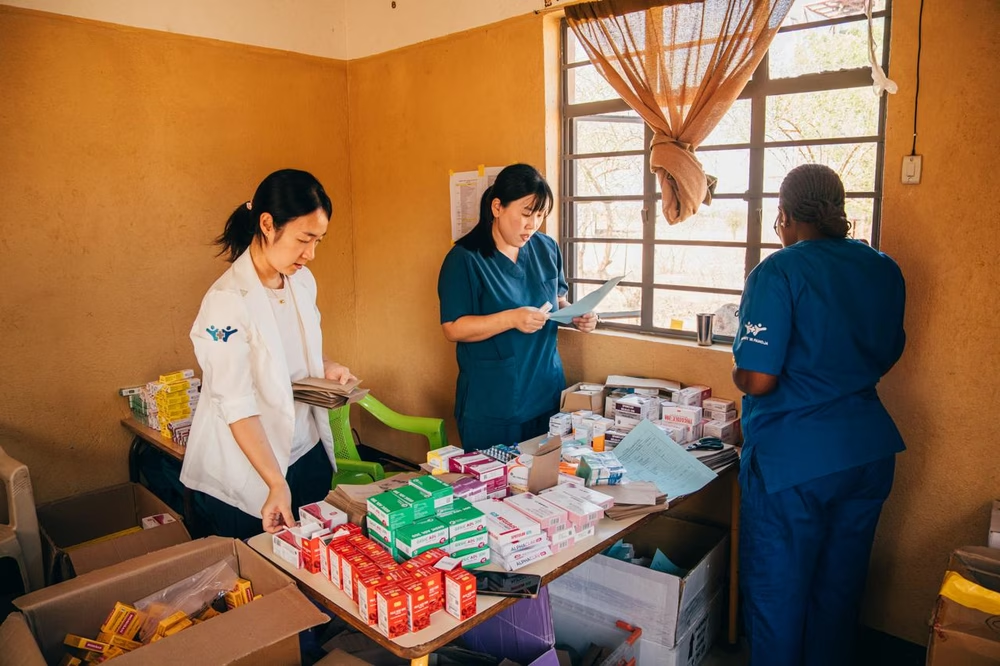
During the two-day mission, the nine-strong team treated almost a thousand people in the mobile clinic. Most had eye conditions, but dental problems and other medical needs were also seen to.
A moving glimpse of an isolated region
Among the health professionals was Dr Dahee Park, an ENT (ear, nose and throat) specialist from South Korea and head of the Pamoja Specialised Polyclinic. He reported that during the mission in Malambo the team was deeply moved by the living conditions in this remote community, where access to basic medical care and resources is extremely limited.
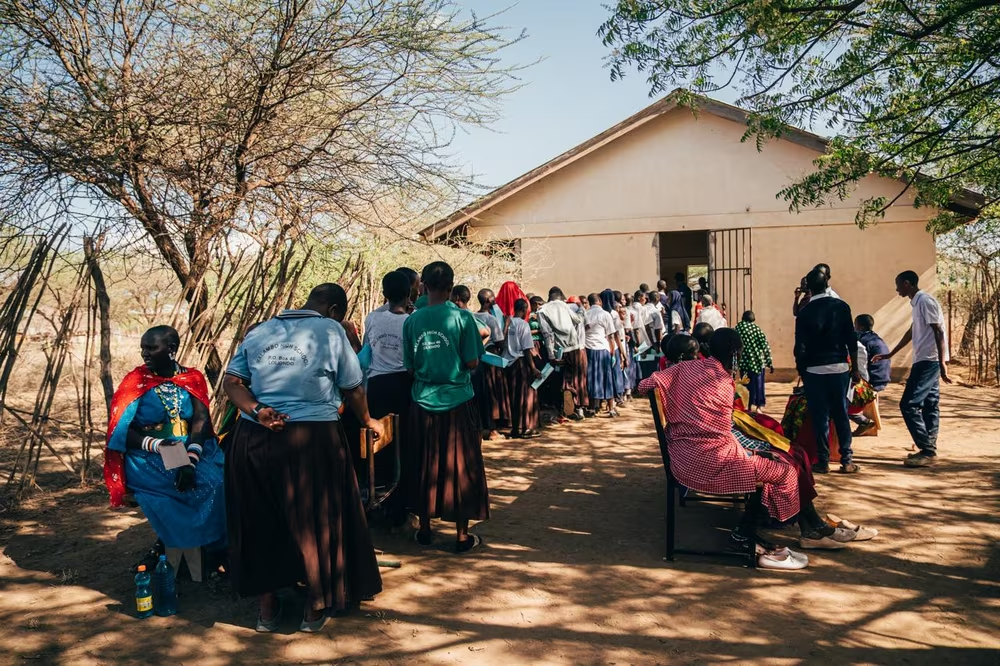
"Many people live with untreated conditions for long periods, not out of neglect but because medical care is simply not available or accessible," Park explained. Simple measures such as basic health education, eye protection and early treatment could considerably improve people's quality of life here.
The power of working together
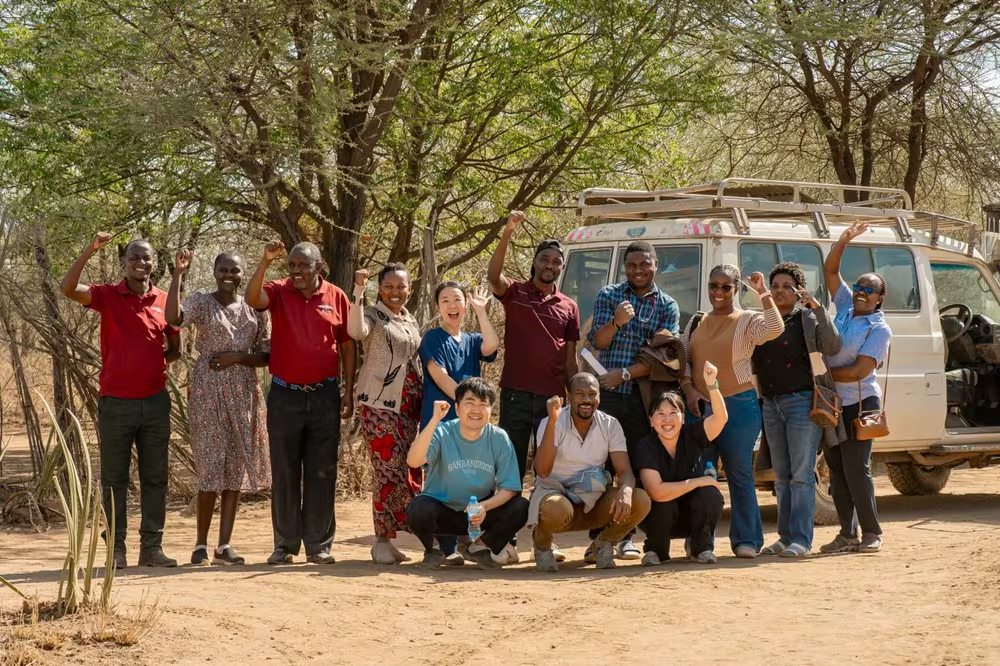
For the team, the mission was about more than medical care alone. "Our mission is not only to treat illnesses but to give every person God sends us comfort, hope and dignity," said Park. "Through our work we wanted to respond to these people's needs and show care and compassion in a practical way."
Looking at the results, Park praised these partnerships: "Working with MAF allows the team to reach places that would otherwise be almost inaccessible. And cooperating with Help for the Maasai provides the organisation needed and the connections within the community."
Sara Frykowski, head of Help for the Maasai, also stressed the importance of local partnerships: "Our goal is to give the community equal access to spiritual, social and economic well-being. Because Malambo is remote and lacks infrastructure, we are very grateful for the cooperation with MAF and the Pamoja Specialised Polyclinic, which help us make this vision a reality."