The fight against infant mortality
Around Foya in Liberia, seeking medical help means dangerous journeys over impassable roads. The usual transport on ordinary motorbikes carries fatal risks. Motorbike ambulances now bring new hope to Liberia.
In Liberia's remote regions, the journey to the nearest clinic has long been a life-threatening challenge. In the Foya region, pregnant women and newborns are left exposed to precarious road conditions – often with tragic consequences.
Infrastructure in Foya is severely limited. The nearest larger hospital is up to a day's walk away. Until now, transport was mostly on ordinary motorbikes – a risky practice, as Francis Forndia, managing director of Foya Borma Hospital, describes: "Before the women reached the clinic, the sitting position on the motorbike had already caused the pregnant woman to lose her baby."
A technological turning point
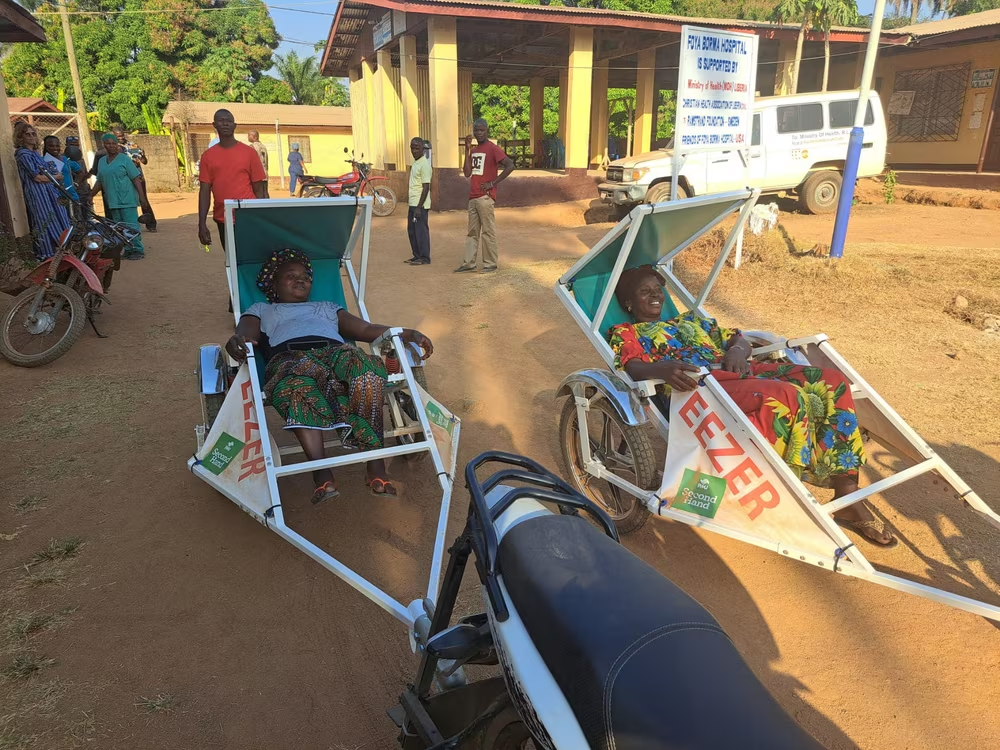
The arrival of the first two motorbike ambulances in the region now breaks that cycle. "The motorbike ambulances are a real blessing," said Francis. "Unlike ordinary motorbikes, these ambulances are fitted with a two-wheeled trailer, so patients can lie down safely during transport."

International help for Liberia's future
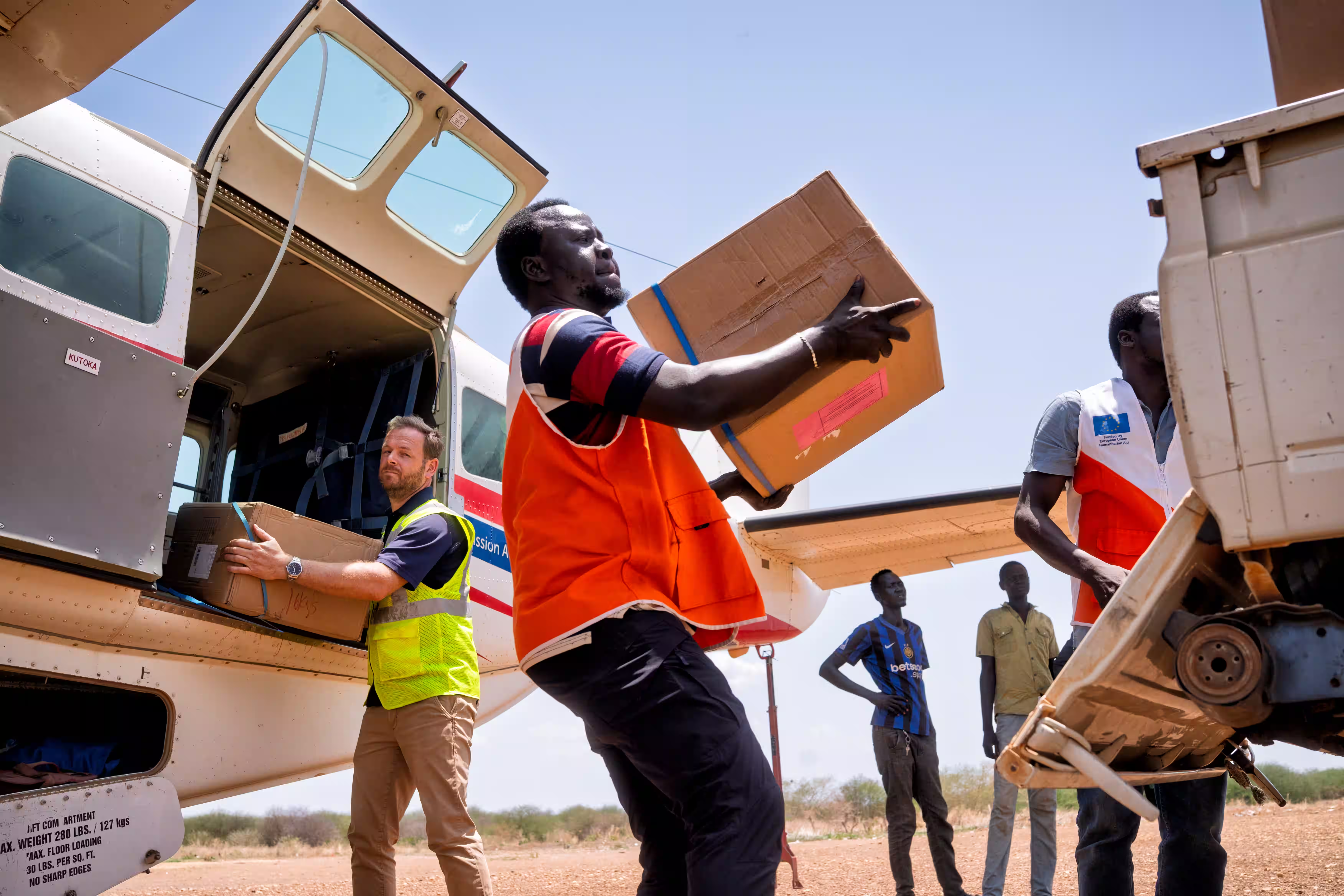
MAF flew two motorbike ambulances from the capital Monrovia to Foya. The ambulances were donated by a Swedish charity and supported by the Swedish Pentecostal Church.
For Forndia this is more than a logistical improvement: "By flying in the motorbike ambulances to give pregnant women access to better treatment, MAF has changed lives for the better – and brought out radiant smiles," said Forndia. "We faced a huge challenge. We lost many babies because of the poor roads. These motorbike ambulances will help many pregnant women."
Forndia also stresses the wider impact: "Mothers and children are our future leaders. So if you save them, you help Liberia's future."