60 years of help, hope and healing in Chad
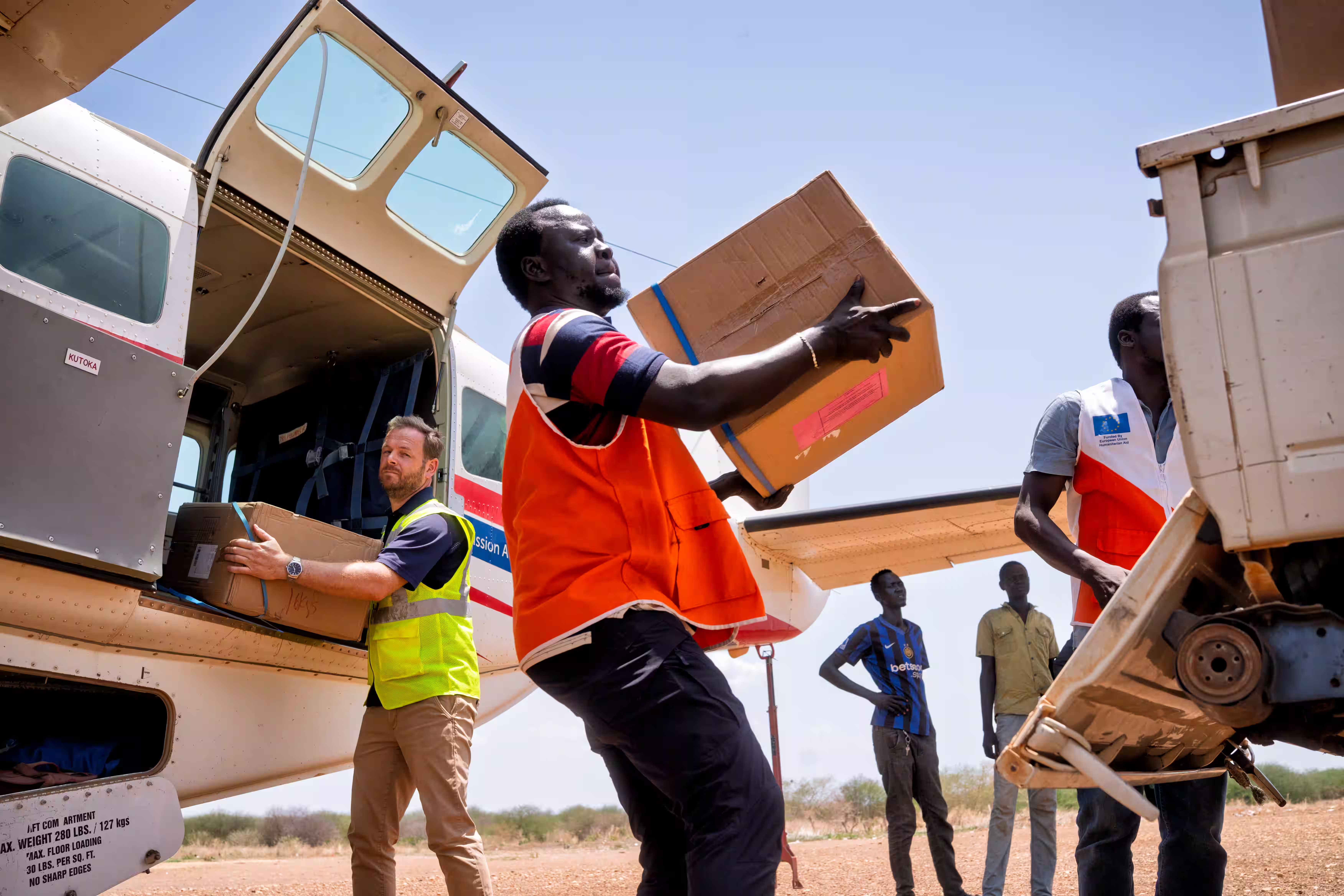
Since 1966 MAF has been flying people to places in Chad that are almost impossible to reach. What began with medical care became far more: famine relief, protecting livelihoods, new opportunities through education. MAF still brings hope there today.
When MAF co-founder Stuart King and pilot John Ducker flew over Chad in 1965 in a Cessna 206, they were surveying a country of vast distances and almost no infrastructure. They wanted to understand where help was needed most. A year later MAF opened its first base in Fort-Lamy – today's N'Djamena. Seaplanes served remote communities around Lake Chad in the west of the country. In healthcare above all, this brought profound change.
In 1968 a second base followed in Koumra, in the south of the country. But political unrest under President François Tombalbaye, the persecution of Christians and the civil war of the 1970s forced MAF to withdraw in 1979. Just two years later the organisation returned and resumed its work in Bébalem, in the south.
Against hunger
In 1985 Chad was struck by a severe famine. Around Bébalem, MAF transported a total of 2,460 tonnes of food into regions that were hard to reach. An estimated 55,000 people were saved from starvation.
Only two years later the next disaster was already looming: a massive plague of locusts and grasshoppers threatened the region's harvests. MAF converted one of its aircraft and acquired two more specialised machines to treat around 130,000 hectares of farmland from the air – an area almost three times the size of Lake Geneva. Millions of pests were destroyed and countless people saved.
A language gains a future
Meanwhile, in the far north of the country, deep in the Sahara, the Teda people faced quite different challenges. Many Teda live in the remote oasis town of Bardaï. Across the border in Libya, members of the same people were oppressed under the then ruler Muammar Gaddafi. Speaking their language in public was forbidden and could be punished.
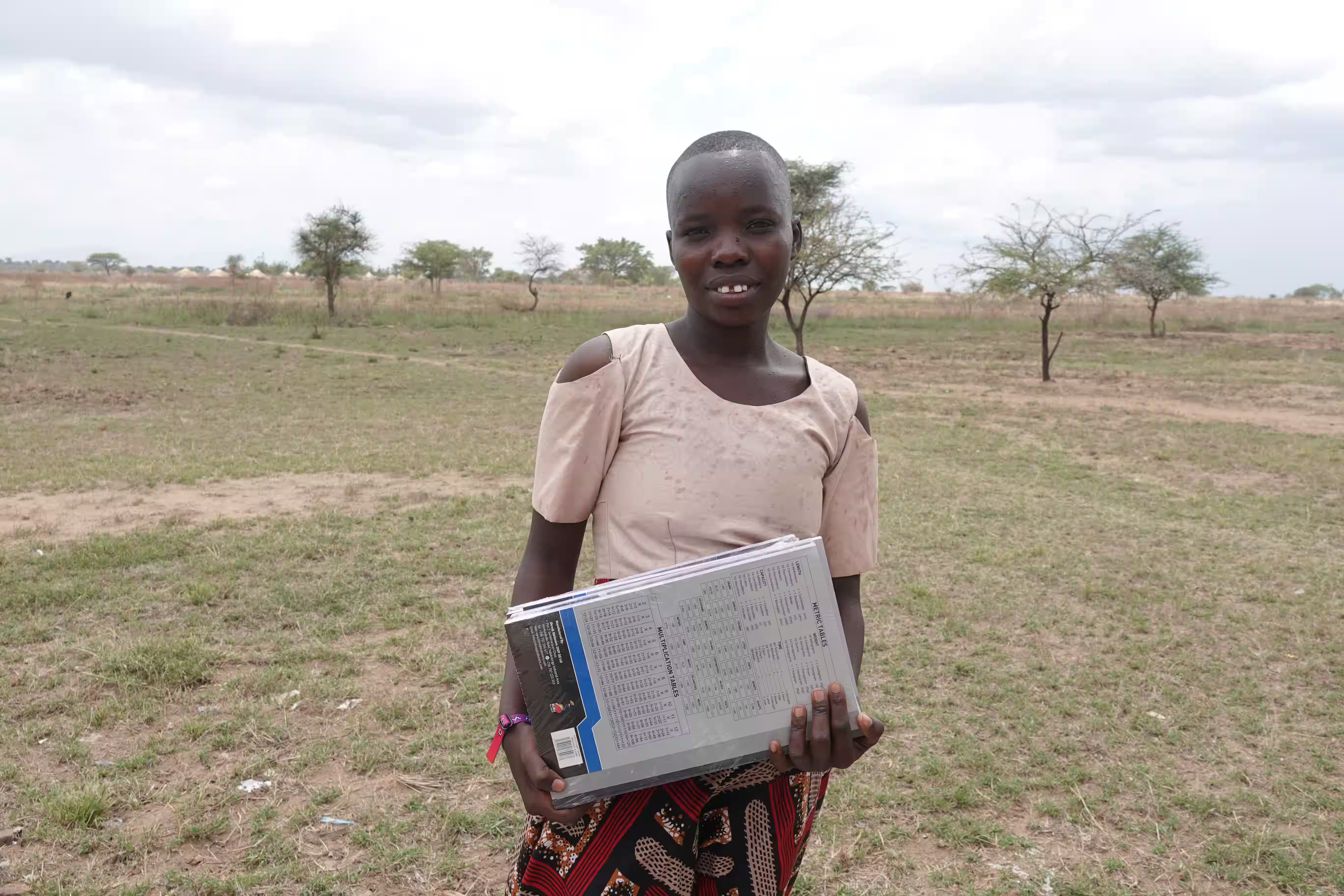
Until 1998 Teda existed only as a spoken language. There was no script. That changed when the linguist Mark Ortman moved to Chad with his family in 1993. His aim was to strengthen the Teda and open up new prospects for them through reading and writing. "At first the Teda did not want their language written down," Mark says. "This region was extremely isolated. Many people were deeply mistrustful of anything from outside." Deliberate misinformation added to it. "Word was spread from the Arab world that anyone who learned to read their own language in Latin letters would become a Christian. That was an enormous obstacle." But when people saw their language written for the first time, much changed. "They were impressed."
After the Teda alphabet was developed, the first reading materials appeared in 1998. Books were smuggled across the border into Libya – where they were banned under Gaddafi. After his fall in 2011, the Mosko Hanadii-ĩ learning centre opened in Bardaï. Since then Teda children and adults have learned to read and write there. In their own language, without fear.
Six hours instead of five days
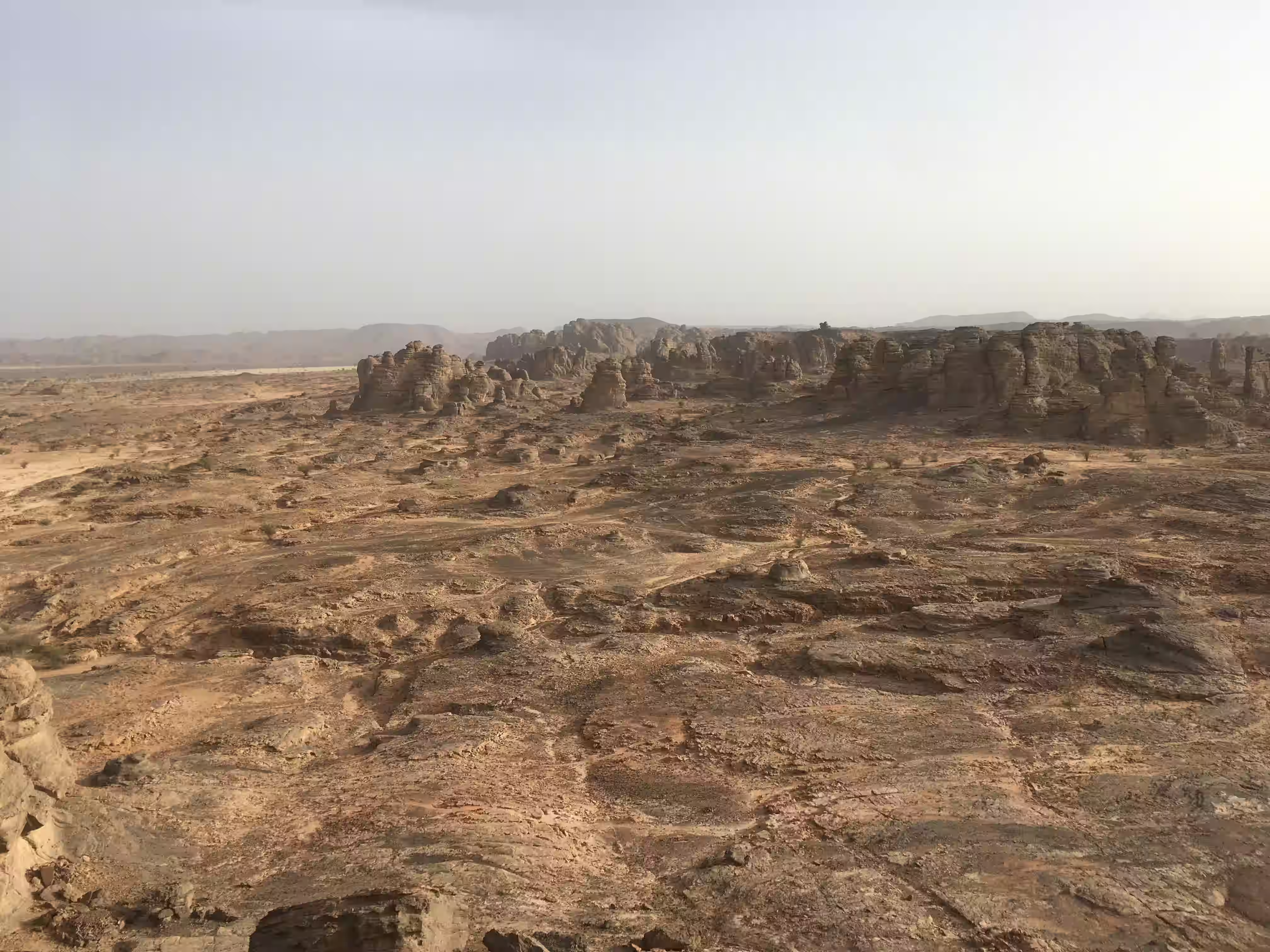
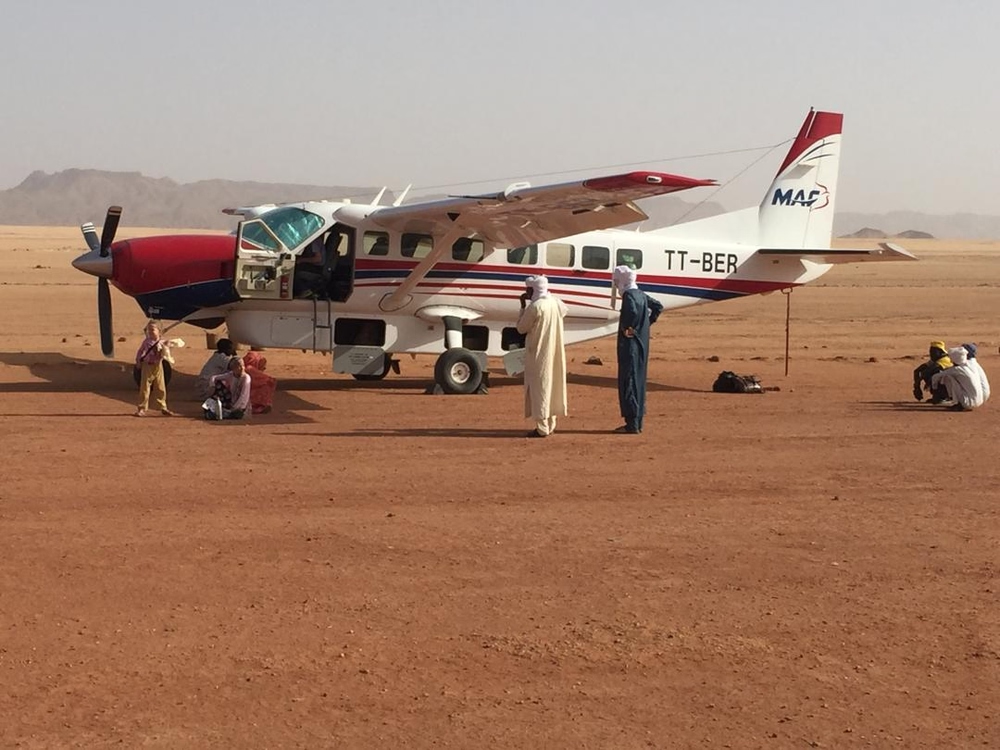
For more than 30 years MAF has been an important part of this story. Bardaï lies surrounded by the Tibesti Mountains in the heart of the Sahara. The journey overland from N'Djamena takes around five days – with the risk of breakdowns, water shortages and armed attacks. With MAF the same journey takes six hours. "Without MAF this work would not be possible," says Mark.
What began in 1966 with a handful of flights still stands, sixty years on, for the same goal: reaching people who would otherwise be forgotten.
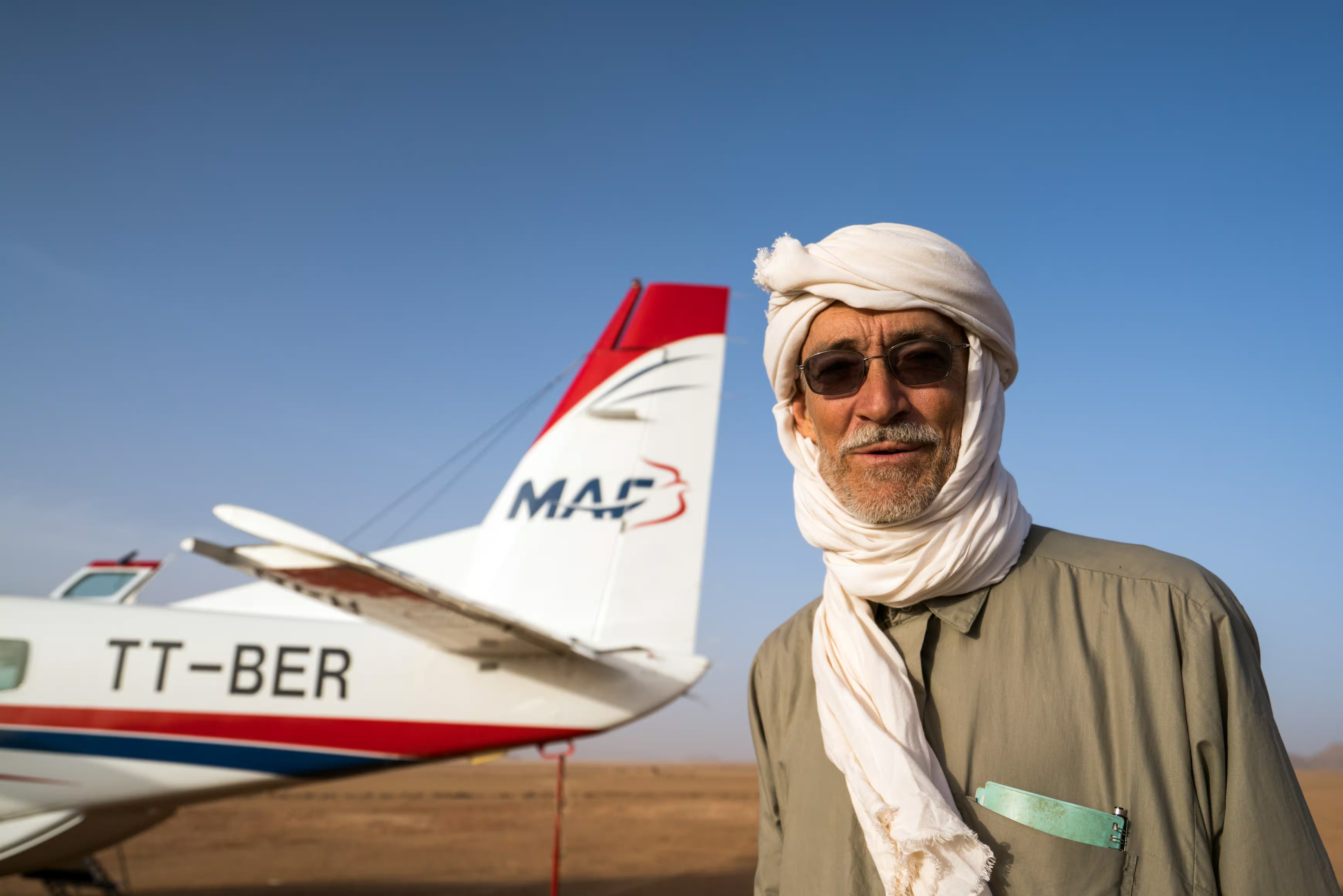
To hear more about Mark Ortman's remarkable story and how MAF makes education possible in northern Chad, listen to the Flying for Life podcast: "Happy 60th Birthday MAF Chad" (episode 14). More at https://maf-uk.org/podcast/